Online Arabic Classes for Kids UK – Interactive & Easy
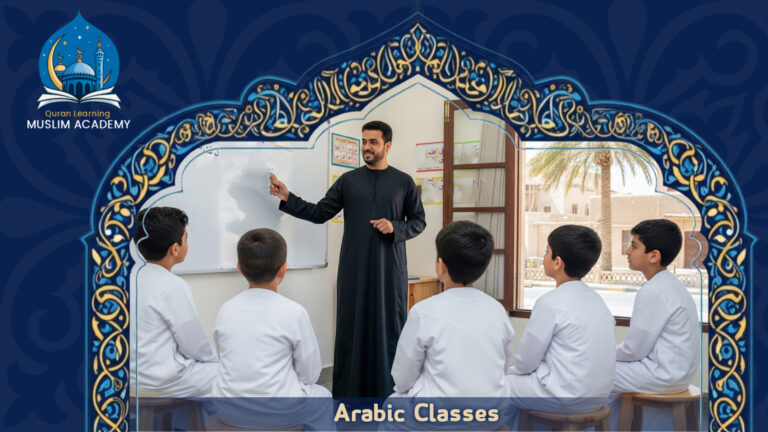
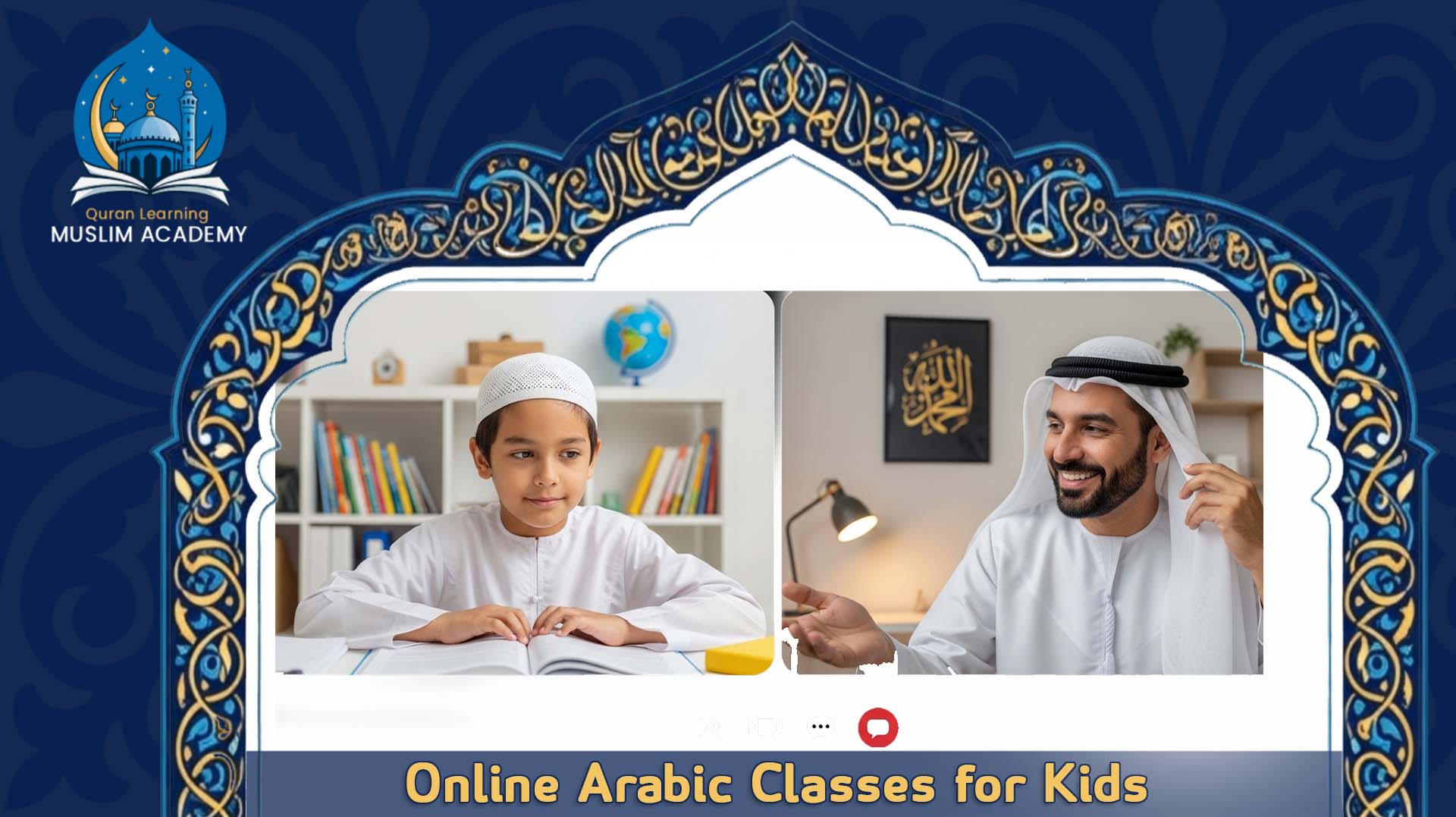
Online Arabic Classes for Kids UK at Muslim Academy provide a comprehensive and engaging way for children to learn Arabic from the comfort of home.
These classes are designed to build strong language foundations through interactive lessons, experienced teachers, and age-appropriate materials. Students are introduced to reading, writing, speaking, and listening skills in a structured and enjoyable environment.
The curriculum focuses on gradual progress, ensuring that each child learns at their own pace without pressure. At Muslim Academy, modern teaching methods and digital tools are used to make learning more effective and fun.
Parents can easily track progress and feel confident that their children are gaining valuable language skills that will benefit them academically, culturally, and spiritually in the long term.
Why Online Arabic Learning Matters Today
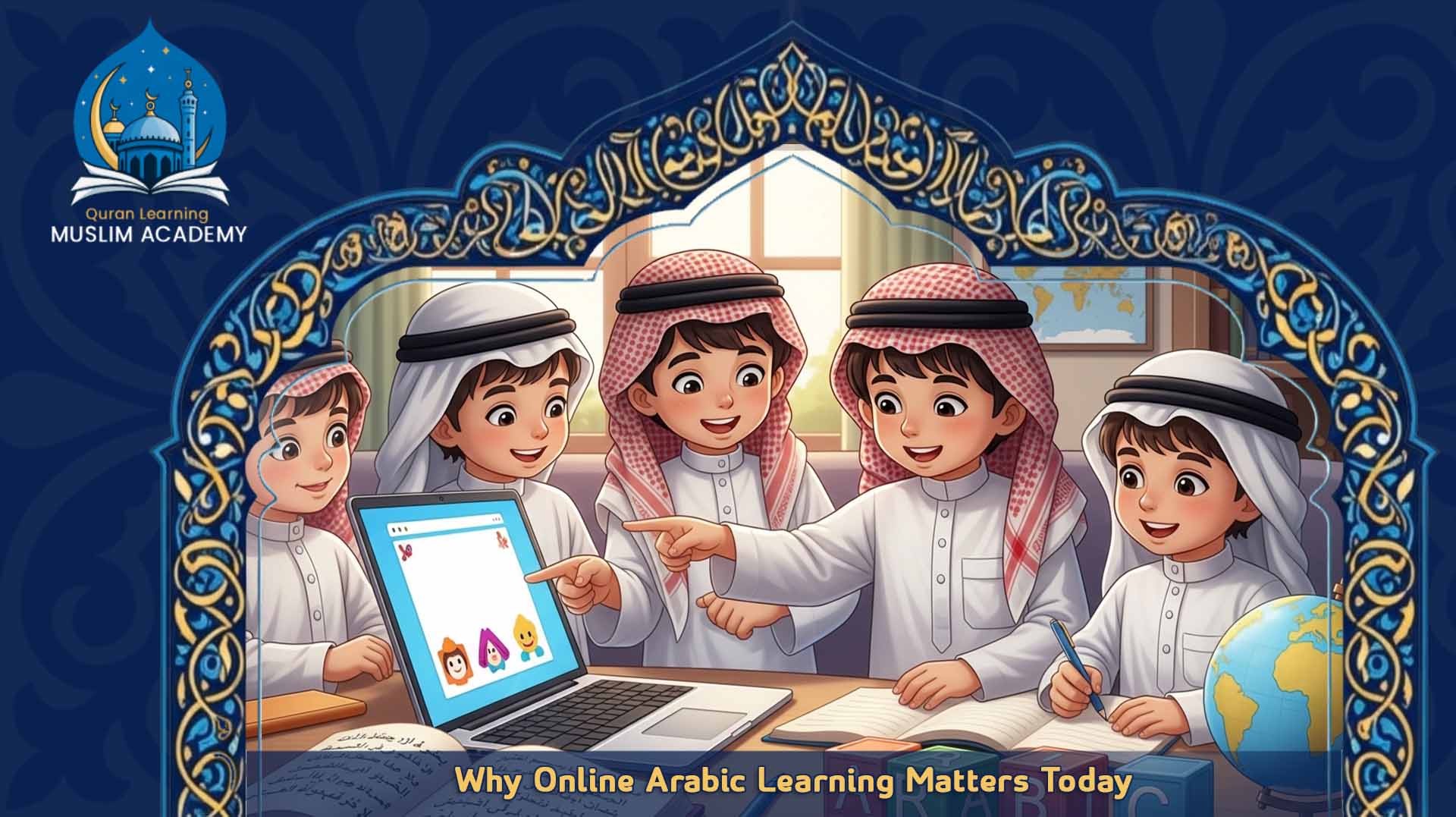
Online learning has transformed how children acquire new languages because it provides flexibility and personalized pacing. Additionally, children can learn in a comfortable environment that reduces stress and improves focus. Muslim Academy ensures that every lesson supports gradual improvement through clear explanations and interactive practice.
Moreover, early language exposure helps children develop stronger cognitive abilities and communication skills. Therefore, structured Arabic education becomes essential for cultural and linguistic growth.
Start Your Child’s Arabic Learning Journey Today
Start your child’s Arabic learning journey today with a structured and engaging program designed to build strong language foundations from the very beginning.
Through Online Arabic academy for Kids, your child can learn in a flexible and interactive environment that supports steady progress and long-term skill development.
With Muslim Academy, children receive expert guidance, personalized attention, and modern teaching methods that make learning enjoyable and effective.
Therefore, this is the perfect opportunity to invest in your child’s future and help them gain confidence in reading, writing, and speaking Arabic fluently.

Benefits of Digital Language Education
Digital language education offers a modern and highly effective approach for teaching Arabic to children in a way that matches today’s learning environment.
Interactive lessons play a major role in improving engagement because they combine visual elements, audio support, and practical exercises that make Arabic concepts easier to understand. As a result, children are more focused during lessons and are able to retain information for longer periods. For a deeper dive, take a look at our online Arabic lessons for kids. We also cover this in our Arabic classes near me.
Additionally, this method encourages active participation rather than passive listening, which significantly improves comprehension and speaking confidence over time. For learners who want to go further, take a look at our online Arabic classes for adults in the UK.
Furthermore, flexible scheduling is one of the strongest advantages of online learning because it allows parents to organize study time in a way that fits smoothly with school responsibilities and daily family routines. If this is an area you’d like to explore in more depth, check out our online Arabic academy for kids.
This flexibility reduces stress for both parents and children while maintaining consistency in learning progress. Moreover, students can attend lessons from any location, which eliminates commuting time and increases learning efficiency. Many students pair this with our Arabic classes for kids to round out their learning. If you’d like to go deeper, see our Online Arabic classes london.
In addition, Muslim Academy integrates modern teaching tools that enhance the overall learning experience by making lessons more dynamic, engaging, and child-friendly.
These tools include interactive exercises, visual presentations, and structured activities that support different learning styles. Consequently, children stay motivated throughout the course and show steady improvement in their language skills.
See more: how to learn arabic online For more guidance, check out our Arabic class for kids.
How Structured Learning Improves Results
Structured programs help children progress smoothly from basic to advanced levels without confusion. Therefore, each lesson builds on previous knowledge to ensure strong retention and understanding. Additionally, repetition and practice strengthen memory and improve long-term language use.
Moreover, teachers at Muslim Academy design lessons that match different learning speeds. Consequently, every child receives attention according to their individual needs. Furthermore, this approach reduces learning gaps and improves overall performance significantly.
Read Also :Online Quran Academy for Kids USA
Engaging Learning Experience for Children
Engagement plays a critical role in successful language learning because children learn better when they enjoy the process. Therefore, interactive tools such as quizzes, videos, and speaking exercises make lessons more effective. Additionally, children remain motivated when they receive positive reinforcement regularly.
Moreover, Online Arabic Classes for Kids encourage participation through real-life examples and practical communication exercises. Consequently, students apply what they learn immediately, which improves retention and fluency.
Skill Development Through Online Learning
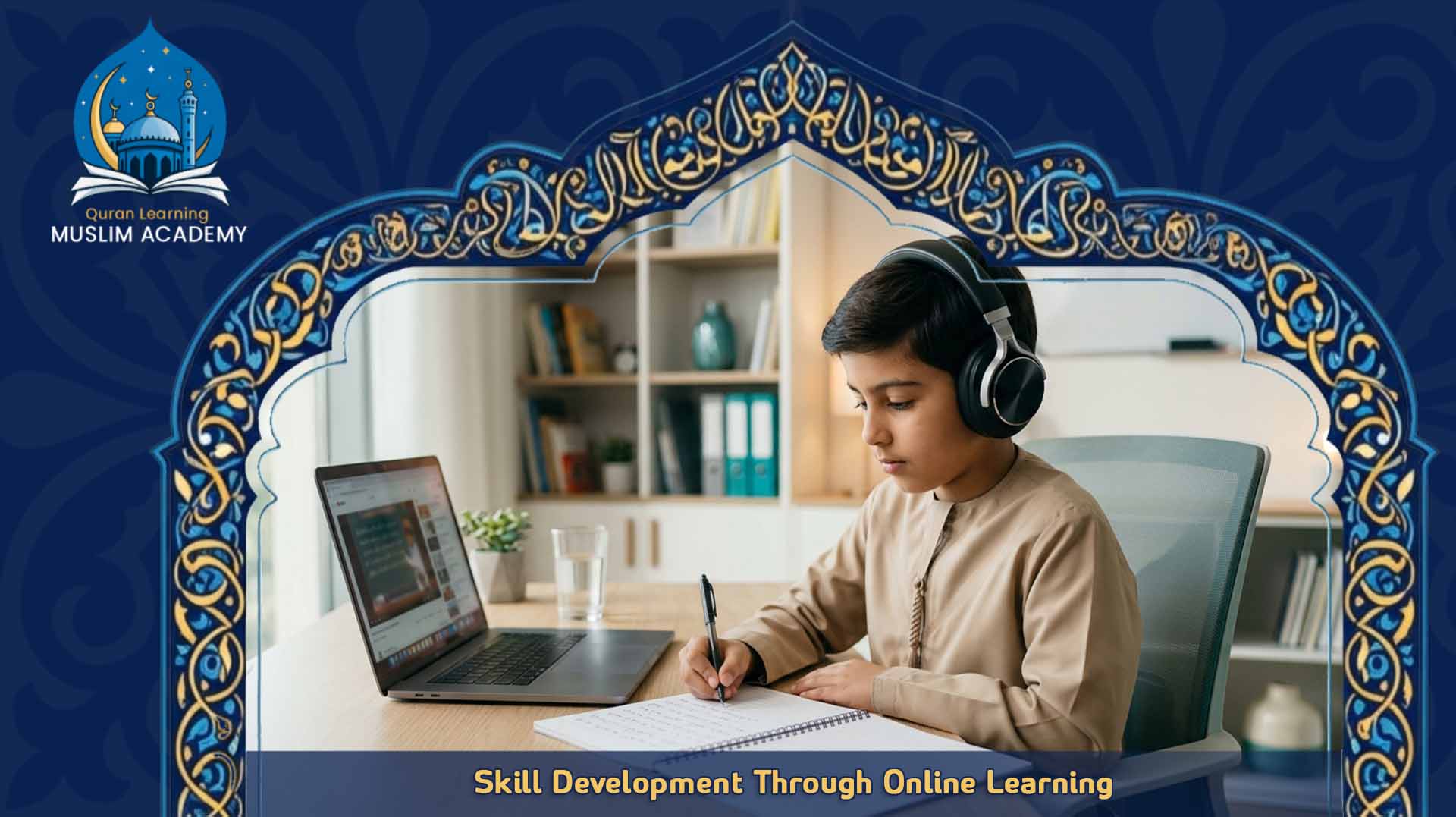
Children develop multiple skills simultaneously when they follow a structured Arabic program. Therefore, listening skills improve first as children become familiar with pronunciation and tone. Additionally, reading skills develop through guided texts that match their level.
Moreover, writing skills improve gradually through continuous practice and teacher feedback. Best online quran Academy Muslim Academy ensures that each student receives personalized support to strengthen weak areas. Consequently, speaking confidence increases as children practice regularly in live sessions.
Role of Parents in Learning Progress
Parents play an essential role in ensuring consistent progress during online learning. Therefore, regular communication between teachers and parents helps maintain effective learning strategies. Additionally, progress reports provide clear insights into student performance and development.
Moreover, Muslim Academy encourages parental involvement to create a supportive learning environment at home. Consequently, children feel more motivated and secure during their educational journey. Furthermore, this collaboration improves long-term academic success.
Learn More :
Advantages of Online Education Systems
- Recorded lessons allow students to review material anytime, which improves understanding and long-term retention of Arabic concepts.
- One-on-one sessions provide personalized attention that helps children overcome learning difficulties more effectively and confidently.
Additionally, Muslim Academy ensures that every student receives continuous academic support. Moreover, technical tools enhance communication between teachers and learners. Consequently, the learning process becomes smoother and more productive.
Gradual and Structured Learning Path
Children progress through carefully organized lessons that start from basic Arabic concepts and gradually move toward more advanced skills. This step-by-step approach ensures strong understanding without confusion or pressure. Each stage builds naturally on the previous one, helping learners gain confidence and long-term language retention.
Step-by-Step Curriculum Design
Structured curriculum design helps children move from simple to complex concepts without difficulty. Therefore, each stage reinforces previous knowledge while introducing new skills gradually. Additionally, this approach reduces confusion and strengthens foundational learning effectively.
Interactive Teaching Methods
Interactive teaching methods encourage children to participate actively during lessons. Moreover, teachers use games, storytelling, and exercises to maintain attention. Consequently, children stay engaged and learn faster through enjoyable activities.
Continuous Assessment Strategy
Continuous assessment helps identify strengths and weaknesses early in the learning process. Therefore, teachers adjust lessons based on student performance. Additionally, regular feedback improves motivation and academic growth significantly.
Building Confidence in Language Use
Confidence plays a major role in language acquisition because children must feel comfortable using Arabic in real situations. Therefore, regular speaking practice helps reduce hesitation and improves fluency. Additionally, supportive teachers encourage students to express themselves freely.
Moreover, Online Arabic Classes for Kids focus on real communication instead of online memorization course only. Consequently, children develop practical language skills that they can use in daily life.
Read More :
online quran lessons for adults
online arabic classes for kids
Technology in Modern Education
Technology enhances learning by making lessons more interactive and accessible. Therefore, digital tools help teachers explain concepts more clearly and effectively. Additionally, students benefit from visual aids that simplify complex topics.
Moreover, Muslim Academy uses advanced platforms to deliver smooth and engaging learning experiences. Consequently, students stay connected and motivated throughout their courses. Furthermore, technology ensures consistent access to learning resources anytime.
Learn More :’
Long-Term Educational Impact

Long-term exposure to structured Arabic learning builds strong academic foundations. Therefore, children develop better communication skills and cultural understanding. Additionally, early learning improves future academic performance in language-related subjects.
Moreover, continuous practice ensures lasting retention of language skills. Consequently, students become more confident in both written and spoken Arabic over time.
Read More :
Frequently Asked Questions About Online Arabic Classes for Kids
Below are the most frequently asked questions that help parents better understand how Online Arabic learning programs work for children and what to expect during the learning journey.
What makes online Arabic learning effective for children compared to traditional classrooms?
Online Arabic learning becomes highly effective because it provides flexible scheduling, interactive tools, and personalized teaching methods that traditional classrooms often cannot offer. Additionally, children learn at their own pace, which reduces pressure and increases understanding significantly over time while improving long-term retention of language skills.
How does live interaction improve Arabic language learning for kids?
Live interaction improves Arabic learning because it allows students to practice speaking in real time with teachers. Moreover, it builds confidence, enhances pronunciation, and encourages active participation. Additionally, children receive immediate feedback, which helps correct mistakes early and supports continuous improvement in communication skills effectively.
Can online Arabic programs support complete beginners with no background in Arabic?
Yes, online Arabic programs support complete beginners by starting with basic letters, pronunciation, and essential vocabulary. Furthermore, structured lessons gradually introduce reading and writing skills. Additionally, teachers provide continuous guidance, ensuring that every child builds a strong foundation without feeling overwhelmed during the learning process.
In conclusion, online Quran classes for Kids at Muslim Academy offer an excellent opportunity for children to develop strong Arabic language skills in a structured and supportive learning environment.
The program is designed to strengthen communication abilities while also building confidence in reading, writing, and speaking Arabic consistently. With experienced instructors and interactive teaching methods, students are encouraged to practice regularly and improve gradually over time. Parents benefit from flexible schedules and continuous progress tracking which ensures a smooth educational journey for every child.
This learning experience helps learners connect with the Arabic language in a meaningful and enjoyable way while also supporting their cultural and religious understanding leading to long lasting educational success and personal growth overall.
Read also :