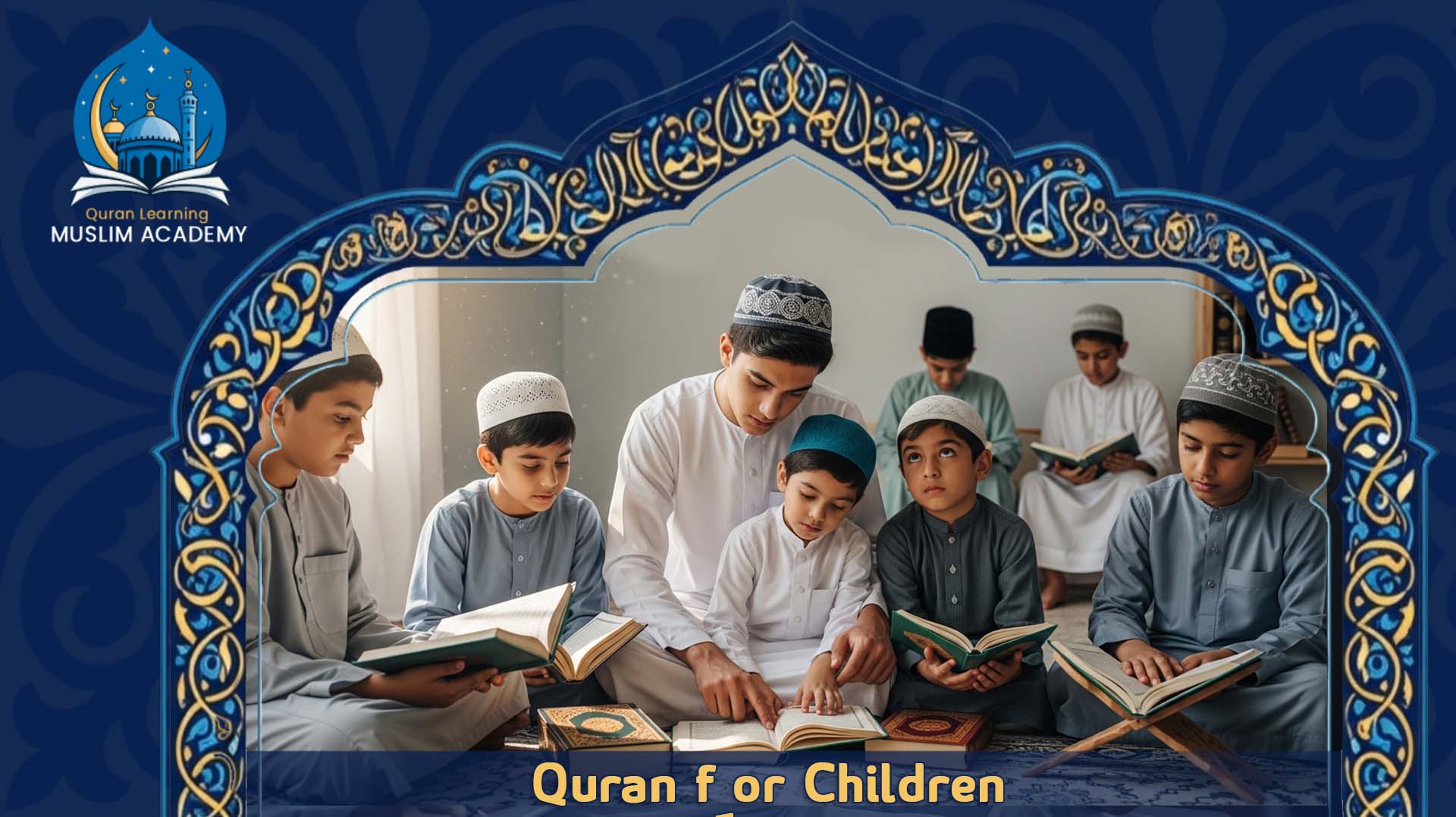
Quran for Children – Easy & Engaging Online Learning
Quran for children is an essential foundation for building strong Islamic values from an early age, and Muslim Academy provides a structured and engaging learning environment that helps young learners connect with the Holy Quran in a simple and enjoyable way.
Through interactive lessons, qualified teachers, and modern teaching methods, children develop correct recitation, memorization skills, and a deeper understanding of Islamic teachings.
The academy focuses on nurturing love for the Quran while ensuring steady progress in learning. This approach makes the journey both educational and inspiring for every child beginning their Quranic path with patience, care, consistency and growth.
Quran Education for Children in Modern Digital Learning Environments
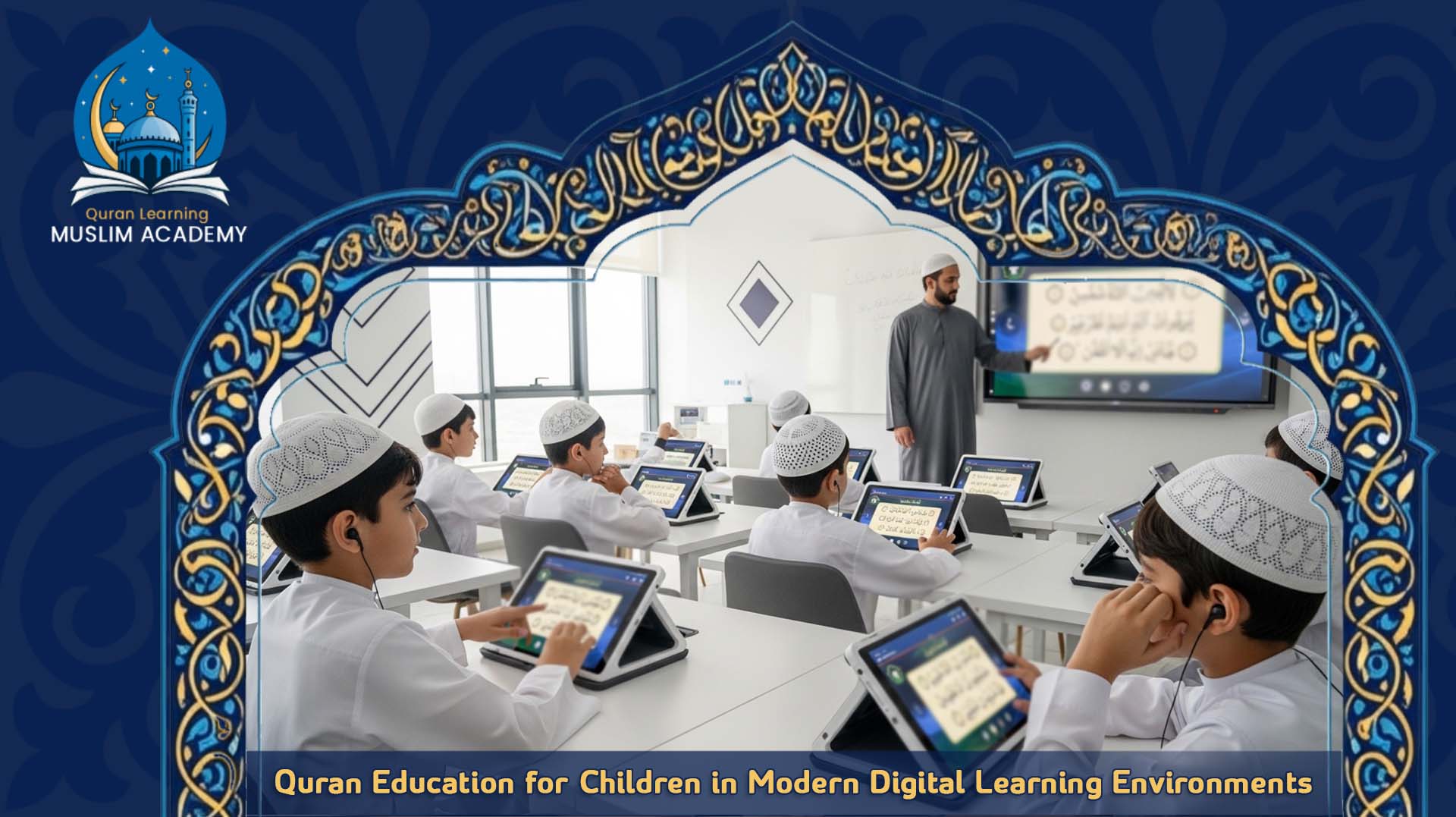
Modern education has evolved significantly, and digital platforms now play a major role in shaping how religious knowledge is delivered to young learners.
The concept of quran for children has become a central focus for many families seeking structured, engaging, and accessible Islamic education through online platforms that combine tradition with technology.
In this context, institutions like Muslim Academy have developed structured methodologies that balance memorization, understanding, and spiritual growth in a child-friendly environment that supports consistent progress.
Early exposure to Quranic learning helps children build a strong spiritual foundation while also improving cognitive abilities such as memory retention, focus, and linguistic skills.
Furthermore, when learning is delivered in an interactive and engaging format, children tend to develop a deeper emotional connection with the material, which significantly enhances long-term retention.
Muslim Academy integrates these principles into its curriculum to ensure that young learners not only memorize but also understand the meanings and values embedded within the Quranic teachings.
Take the First Step Toward Your Child’s Quran Journey
Start your child’s journey with quran for children today and give them a strong foundation in Islamic values through structured, engaging, and effective learning.
Enroll now in Muslim Academy to ensure your child receives guided support from qualified teachers, interactive lessons, and a flexible learning schedule designed to fit modern family life. Don’t wait to build lifelong Quranic habits—take the first step today and join a learning experience that truly makes a difference.

Importance of Early Islamic Learning Foundations
Early childhood is a critical stage for cognitive and spiritual development, making it the ideal time to introduce structured Quranic education.
During this stage, children are highly receptive to new information, which allows them to absorb pronunciation, rhythm, and meaning more effectively than at later stages of life. Consequently, structured learning environments contribute significantly to shaping disciplined learning habits that last into adulthood.
Moreover, parents increasingly seek reliable platforms that ensure both authenticity and pedagogical effectiveness. Institutions such as Muslim Academy provide carefully designed programs that align with these expectations while maintaining a balance between traditional learning and modern educational techniques.
This combination ensures that children receive a holistic learning experience that nurtures both their academic and spiritual development.
Role of Interactive Methods in Child Engagement
Interactive teaching methods have become essential in maintaining children’s attention and encouraging active participation in learning sessions. Gamified learning, visual aids, and live sessions significantly improve engagement levels, especially when dealing with complex memorization tasks. As a result, children remain motivated and are more likely to complete their learning goals consistently over time.
In addition, personalized feedback plays a crucial role in helping children identify their strengths and areas for improvement. Platforms like Muslim Academy utilize structured evaluation systems that allow instructors to track progress and adjust teaching strategies accordingly. This ensures that each child receives a tailored learning experience that matches their individual pace and capabilities.
Structured Approaches to Quran Memorization for Young Learners
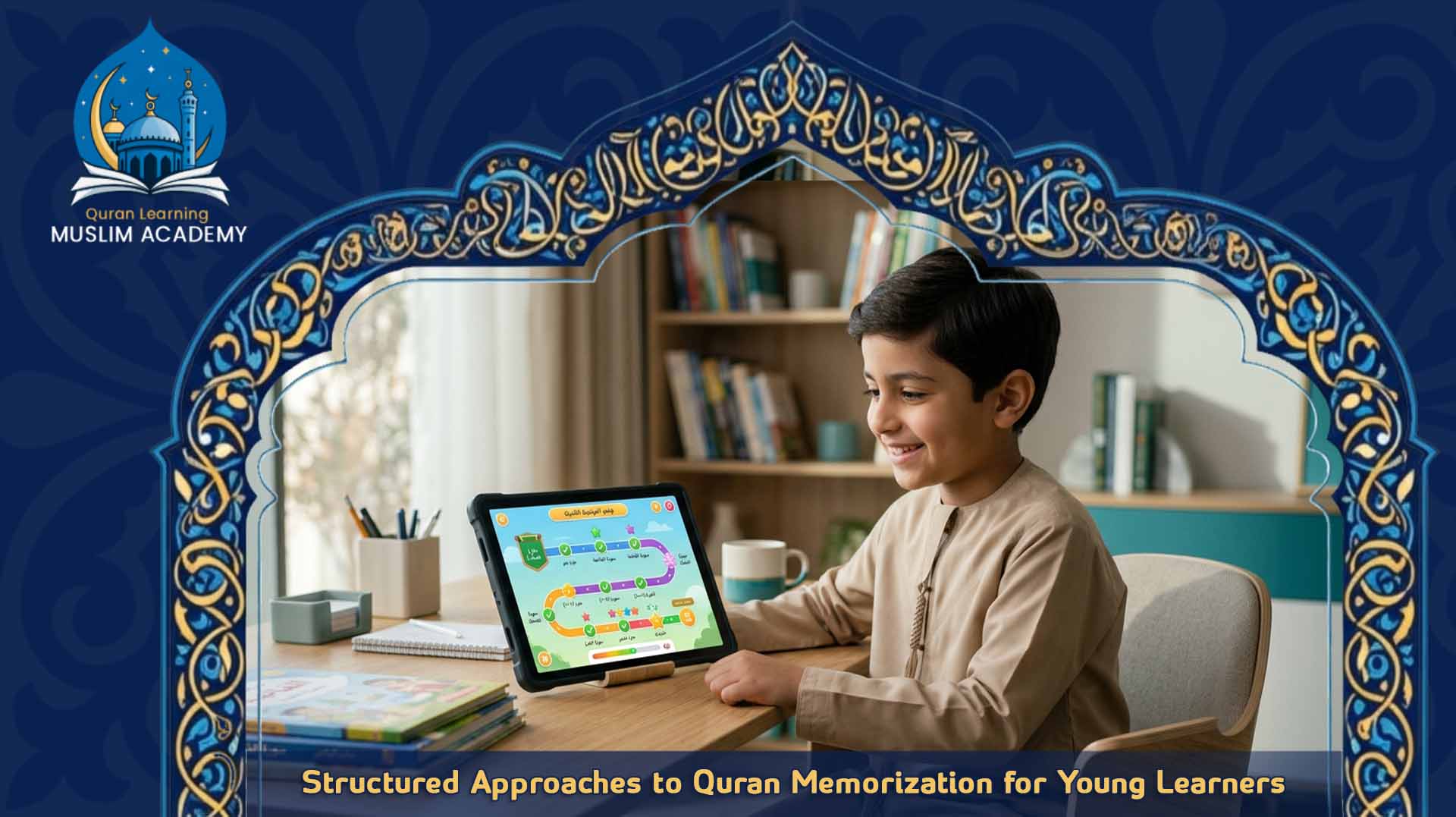
Structured learning systems are essential when introducing children to Quran memorization, as they provide consistency, clarity, and measurable progress.
A well-organized curriculum ensures that students move step by step, gradually increasing their memorization capacity without feeling overwhelmed. This method helps maintain motivation and reduces cognitive overload, which is especially important for younger learners.
Additionally, repetition and revision strategies are integrated into daily learning routines to strengthen long-term retention. By revisiting previously learned verses regularly, children are able to reinforce their memory while building confidence in their recitation skills.
Muslim Academy emphasizes this structured repetition model to ensure that students achieve both accuracy and fluency in their recitation.
Learn Also :
Key Benefits of Structured Learning Systems
- Structured systems provide clear learning pathways that help children understand exactly what is expected at each stage of their Quranic education journey.
- Consistent revision schedules improve long-term memory retention and reduce the likelihood of forgetting previously memorized verses over time.
- Personalized feedback allows instructors to correct pronunciation errors early, ensuring that students develop accurate recitation habits from the beginning.
- Regular assessments help track progress effectively, enabling both parents and teachers to monitor improvement in a measurable and transparent way.
- Structured programs offered by Muslim Academy ensure that children remain motivated through achievable milestones and reward-based learning systems.
Enhancing Memory Retention Through Repetition Techniques
Repetition is one of the most effective techniques in Quran memorization, especially for children who are still developing their cognitive learning abilities.
By repeating verses multiple times in structured intervals, learners are able to internalize both pronunciation and meaning more effectively. This method reduces the cognitive load and helps transform short-term memory into long-term retention.
Furthermore, incorporating auditory and visual repetition techniques enhances multisensory learning, which significantly improves comprehension and recall ability.
Educators at Muslim Academy implement these strategies consistently to ensure that children not only memorize verses but also understand their context and application in daily life.
Read Also :
quran memorization online Sydney
Digital Learning Tools and Their Impact on Quran Education
The rise of digital education has transformed the way children interact with religious studies, making learning more accessible and flexible than ever before.
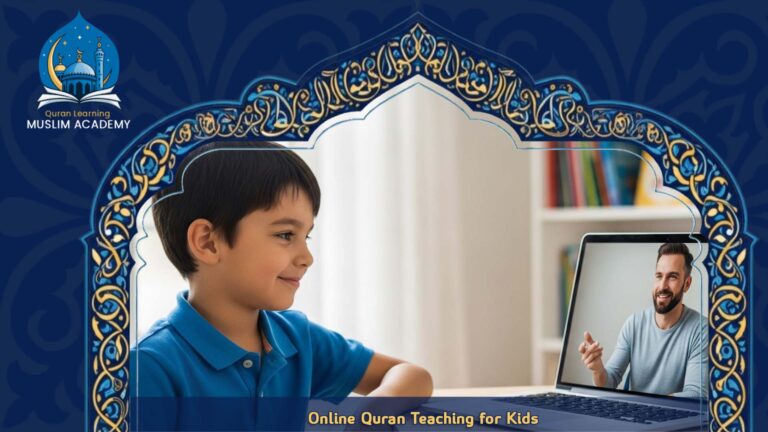
Online platforms allow students to attend classes from anywhere, eliminating geographical barriers and providing access to qualified instructors worldwide. This flexibility is particularly beneficial for families seeking structured Islamic education within busy modern lifestyles.
In addition, digital tools such as interactive whiteboards, recorded sessions, and real-time feedback systems enhance the overall learning experience. These tools allow students to revisit lessons whenever needed, reinforcing understanding and improving retention.
Muslim Academy has integrated these technologies to create a seamless and efficient learning environment that supports continuous improvement.
Another important aspect of digital learning is parental involvement, which is made easier through progress tracking dashboards and regular performance reports.
Parents can actively monitor their child’s development and provide additional support when necessary, ensuring a collaborative approach to education.
Read Also :
Online Quran Academy for Kids USA
Developing Confidence and Fluency in Recitation
Building confidence in Quran recitation is a gradual process that requires patience, consistency, and proper guidance. Children often begin with slow and careful pronunciation, gradually progressing toward fluent and confident recitation as their skills improve. Encouraging a supportive learning environment plays a key role in reducing anxiety and boosting self-confidence.
Moreover, regular practice sessions and one-on-one feedback help students overcome challenges in pronunciation and rhythm. Institutions like Muslim Academy focus on creating a positive learning atmosphere where mistakes are treated as learning opportunities rather than failures. This approach encourages continuous improvement and fosters a strong emotional connection with the learning process.
At this stage, many learners encounter quran for children programs that emphasize both memorization and comprehension, ensuring a balanced development of skills. Such programs are designed to help children not only recite but also understand the deeper meanings behind the verses, which strengthens their overall connection to the Quran.
Building Long-Term Islamic Learning Habits
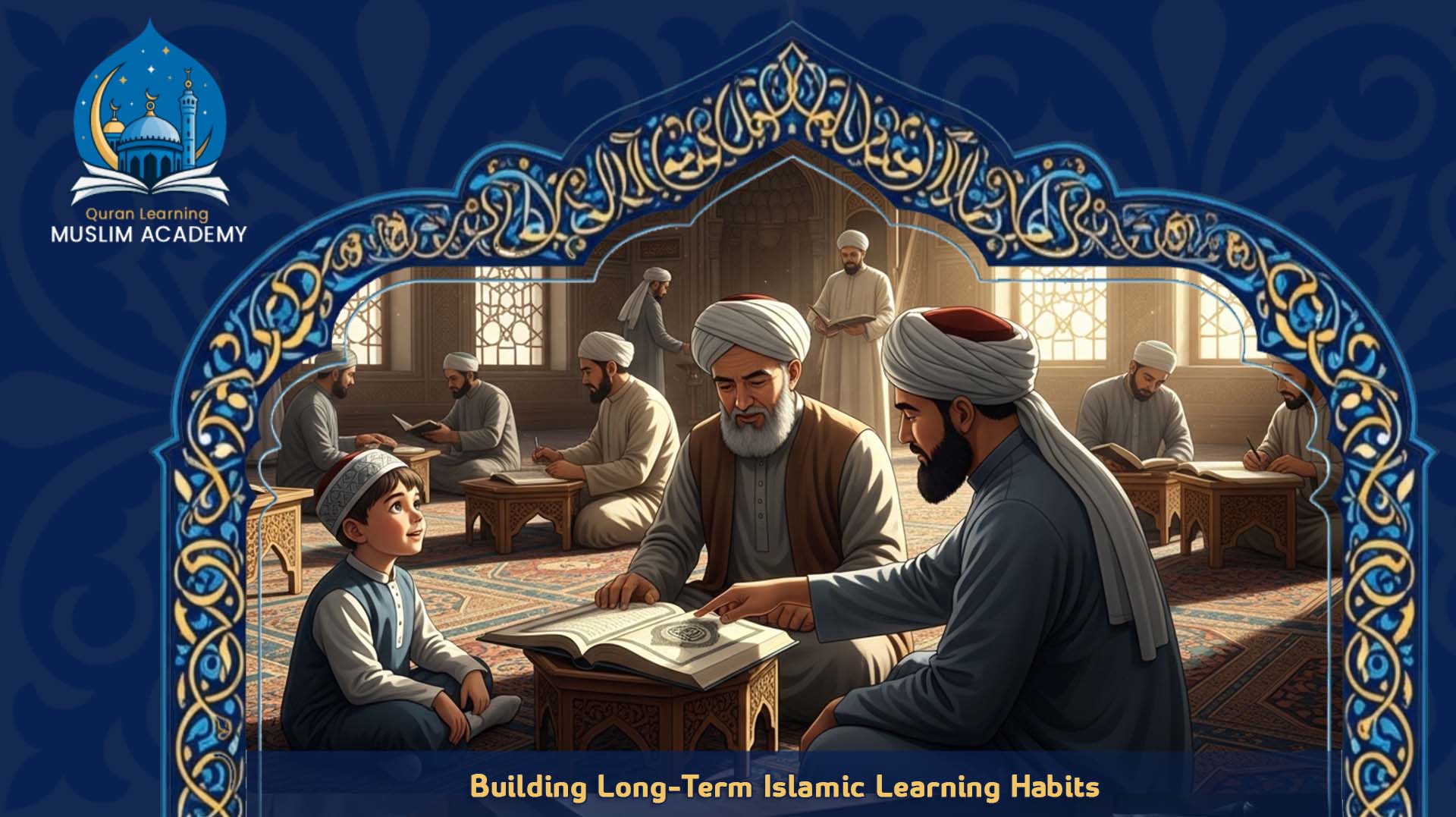
Developing consistent learning habits is essential for long-term success in Quranic education. When children follow a structured routine, they are more likely to retain knowledge and develop discipline in their daily lives. Consistency also helps reduce stress and makes learning a natural part of their everyday schedule.
Furthermore, reward-based systems and motivational strategies encourage children to stay committed to their learning goals. Muslim Academy incorporates these techniques to ensure sustained engagement and progress throughout the learning journey. Over time, these habits extend beyond Quranic studies and positively influence other areas of academic and personal development.
Read More :
Frequently Asked Questions About quran for children
The Frequently Asked Questions section provides clear and direct answers to the most common concerns parents have about quran for children. It helps simplify important decisions by addressing key topics such as the ideal starting age, learning methods, and how online programs support children’s Quranic education in a structured and effective way.
Read More :
learn quran online with tajweed
What is the best age for children to start learning the Quran online?
The best age for children to begin learning the Quran is typically between four and seven years old, as this is when cognitive absorption is strongest. At this stage, children are highly receptive to language patterns, making memorization and pronunciation easier. Structured programs offered by Muslim Academy ensure age-appropriate teaching methods that support gradual and effective learning without overwhelming young students.
How do online Quran classes ensure proper pronunciation for children?
Online Quran classes use qualified instructors, live feedback, and audio correction tools to ensure accurate pronunciation. Teachers closely monitor each child’s recitation and provide immediate corrections when necessary. Platforms like Muslim Academy also use repetition exercises and interactive sessions to reinforce correct pronunciation patterns consistently over time.
Can children maintain motivation in online Quran learning environments?
Yes, children can maintain high motivation when learning environments are interactive, engaging, and reward-based. Features such as progress tracking, gamified learning, and personalized feedback help sustain interest. Additionally, supportive teaching methods used by Muslim Academy ensure that children feel encouraged and confident throughout their learning journey, which significantly improves long-term commitment.
In conclusion, quran for children remains a vital step in shaping a strong Islamic foundation for young learners, and Muslim Academy plays an important role in delivering structured and engaging Quran education.
By combining experienced teachers with modern online methods, children are guided to read, memorize, and understand the Quran with confidence and clarity.
This approach ensures consistent progress while keeping learning enjoyable and meaningful. Parents gain peace of mind knowing their children are receiving quality Islamic education in a supportive environment. Ultimately, this journey builds faith, discipline, and lifelong connection with the Holy Quran for every child always growing.
This pairs well with our Learn Quran online for adults UK.
If you’d like to go deeper, see our Salah in Islam a complete guide with instructions conditions benefits examples and the muslim academy advantage.
Learn more through our Online Quran academy for kids.