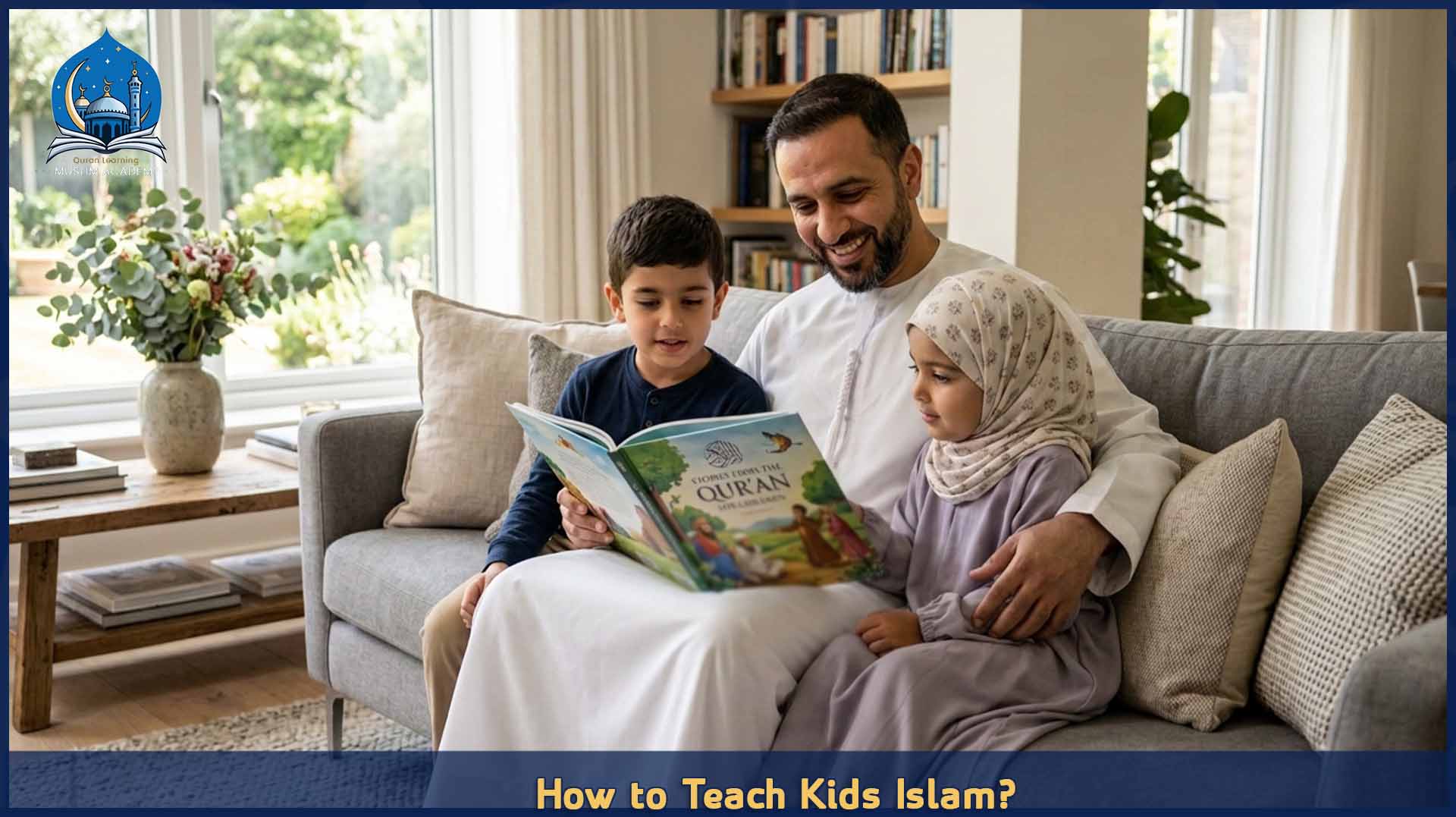
How to Teach Kids Islam in Non-Muslim Countries
How to Teach Kids Islam is a common question for Muslim parents who want to raise children with strong faith, good manners, and a deep love for Allah. Teaching Islam is not only about helping children memorize facts or learn religious practices. It is about nurturing their hearts, building their character, and creating a lifelong connection with the Quran and the Sunnah through kindness, patience, and consistency. It’s worth pairing this with our learn Islam basics online for a fuller picture.
Children learn best when Islamic values become part of their daily lives. Every prayer, Quran recitation, Islamic story, and act of kindness helps them understand their faith naturally. As parents and caregivers, your example has a lasting impact on how children view Islam and practice it with confidence and sincerity. For a deeper dive, take a look at our the five pillars of Islam. For more guidance, check out our Contact us.
At Muslim Online Quran Academy, families receive professional guidance from qualified Quran teachers who make Islamic learning engaging and suitable for every age. Through interactive online classes, children can learn the Quran, Tajweed, Islamic manners, and essential beliefs in a supportive environment that encourages both knowledge and love for Islam. For learners who want to go further, take a look at our Zakat in Islam.
In this comprehensive guide, you will discover how to teach kids Islam through practical methods, enjoyable activities, and effective parenting strategies that help children develop a strong Islamic identity while growing into responsible and compassionate Muslims.
Ways to Teach Kids Islam and Build Strong Islamic Values
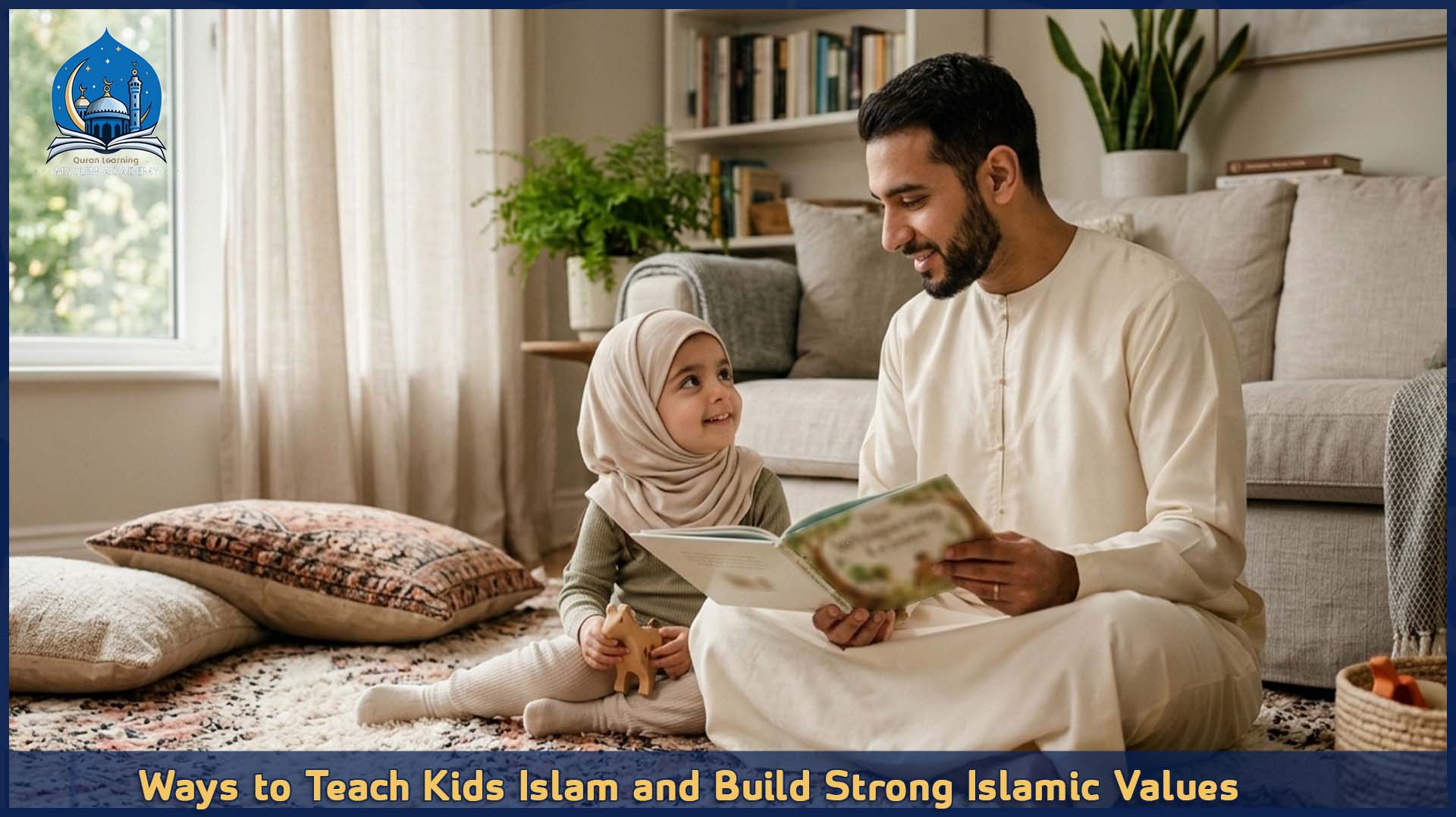
Teaching children about Islam is one of the greatest responsibilities that Allah has entrusted to Muslim parents and caregivers. Every child is born with a natural inclination toward faith, and it is the family’s role to nurture that gift with love, wisdom, and patience. When parents wonder how to Teach Kids Islam, they should remember that Islamic education begins at home long before children attend formal classes or memorize the Quran.
The goal is not simply to teach information but to help children build a strong relationship with Allah that grows throughout their lives. Every small lesson, daily reminder, and positive experience contributes to shaping their Islamic identity. Allah says in the Quran:
“O you who have believed, protect yourselves and your families from a Fire whose fuel is people and stones.” (Surah At-Tahrim 66:6)
This verse reminds every Muslim parent that raising righteous children is both an honor and a responsibility.
Start Learning Quran Recitation With Tajweed Today
If you want to master Quran Recitation with Tajweed and improve your pronunciation with confidence, this is the perfect time to start. Muslim Academy offers structured online lessons that help you learn step by step with qualified teachers and clear guidance.
In addition, you will practice regularly, receive real corrections, and build strong Quran reading skills from the comfort of your home. Therefore, don’t wait and take action today to improve your recitation, strengthen your understanding, and connect deeply with the Holy Quran through professional and flexible learning.

How to Teach Kids Islam: A Complete Guide for Parents?
Teaching children about Islam is one of the most important responsibilities for Muslim parents. Many families search for effective ways to build a strong Islamic identity in their children while making learning enjoyable and meaningful. Understanding how to Teach Kids Islam requires patience, love, consistency, and a practical approach that connects Islamic teachings with children’s daily lives.
Children learn best when they see Islam practiced around them. A supportive environment at home, combined with proper Islamic education, helps children develop faith, good manners, and a lifelong connection with the Quran.
Lead by Example Before Giving Instructions
Children naturally imitate the people around them. Before teaching Islamic rules, parents should demonstrate Islamic values through their own actions. One of the most effective answers to how to Teach Kids Islam is to become the example you want your children to follow. Children learn by watching how their parents:
- Perform the five daily prayers.
- Recite the Quran consistently.
- Speak politely with others.
- Show honesty and kindness.
- Practice patience during difficult situations.
- Thank Allah for His blessings.
When children witness these actions every day, Islam becomes a natural part of their lives rather than a set of instructions they are expected to memorize.
At an Islamic Online Quran Academy, qualified teachers encourage parents to stay involved in their children’s learning journey, creating a supportive environment where Islamic lessons continue beyond the classroom.
Start with the Foundations of Islam
Parents sometimes introduce too much information at once. However, when learning how to Teach Kids Islam, it is better to begin with simple concepts that children can understand before moving to more advanced topics.
Focus on teaching the foundations, including:
- Allah is our Creator and loves those who obey Him.
- Prophet Muhammad (ﷺ) is our final Messenger.
- The Quran is Allah’s final revelation.
- Islam is our complete way of life.
- Muslims worship Allah alone.
These basic beliefs create a strong foundation that helps children understand prayer, fasting, charity, and good character as they grow.
Young children do not need long explanations. Short conversations repeated regularly are often more effective than lengthy lessons. As children become older, parents can gradually introduce deeper meanings while encouraging questions and reflection.
Teach Kids About Allah with Love and Simplicity
One of the most important steps in How to Teach Kids Islam is helping children develop a sincere love for Allah from an early age. Before teaching responsibilities and Islamic rulings, children should understand that Allah is their Creator, Provider, and Protector.
When children associate Islam with love, mercy, and gratitude, they become more interested in learning and practicing their faith.
Parents can introduce Allah through everyday experiences. They can discuss the beauty of nature, the blessings of food, family, and health, and explain that every blessing comes from Allah. Simple ways to teach children about Allah include:
- Thank Allah before and after meals.
- Talk about Allah’s blessings every day.
- Teach some of Allah’s beautiful names with easy meanings.
- Encourage children to make dua in their own words.
- Explain that Allah hears every sincere prayer.
Through suitable Islamic education programs, children can also learn these concepts through engaging activities and age-appropriate lessons.
Teach Kids the Quran Step by Step
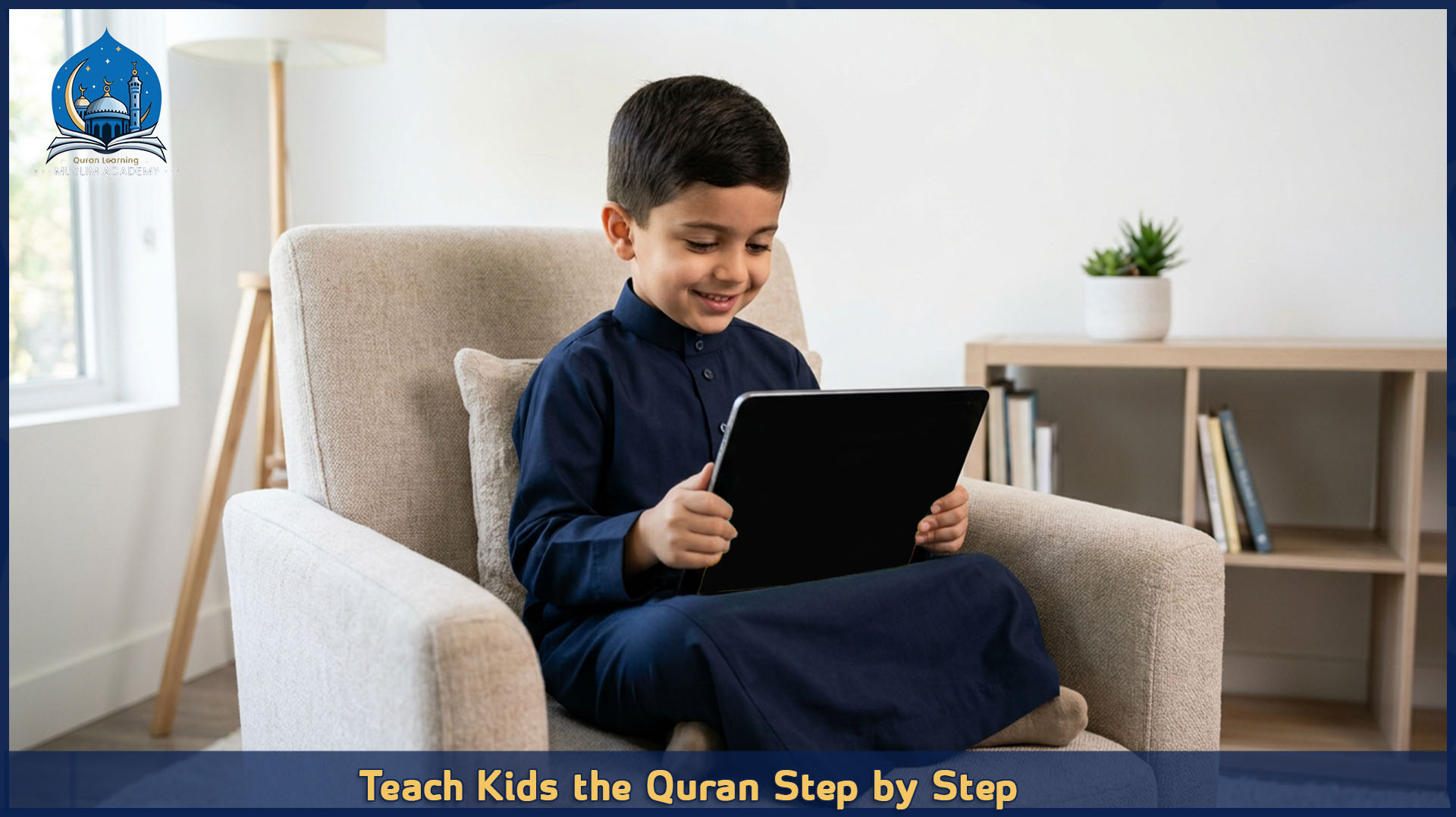
The Quran should become a natural part of a child’s daily routine. Parents searching for How to Teach Kids Islam often focus mainly on memorization, but developing love and respect for the Quran should come first.
When children enjoy listening to and reciting the Quran, memorization becomes easier and more meaningful.
Parents can start with short Surahs that children hear during daily prayers. Reading together for a few minutes every day creates consistency and builds confidence. To make Quran learning enjoyable:
- Recite together regularly.
- Celebrate small achievements.
- Review memorized Surahs frequently.
- Explain the simple meanings of verses.
- Encourage correct pronunciation gradually.
For families interested in structured learning, quran memorization for kids UK programs provide organized lessons that help children memorize the Quran while receiving guidance from experienced teachers.
Professional instruction is also valuable for improving recitation. Children who join tajweed lessons online in Austria can learn correct pronunciation rules and improve their Quran reading skills from qualified instructors.
Make Quran Learning Accessible and Flexible
Modern technology has made Islamic education available to families around the world. Parents who want their children to receive quality Quran instruction can choose flexible online programs that match their schedules.
Many students now prefer to learn the Quran online in the USA because online classes allow children to study with qualified teachers from the comfort of their homes while maintaining regular learning routines.
Online Quran education also supports different learning levels, from beginners learning Arabic letters to advanced students improving recitation and memorization skills.
Families looking for Arabic language and Quran understanding can benefit from arabic quran courses online in Ottawa, where students can develop Arabic reading abilities while studying the meanings and teachings of the Quran.
Focus on Good Character Before Perfection
When discussing how to Teach Kids Islam, many parents focus on memorization and worship while overlooking character development. However, good manners are an essential part of Islamic teachings.
Children should understand that Islam appears in their daily behavior and in how they treat others. Simple acts of kindness help them realize that faith is connected to every part of life. Teach children values such as:
- Honesty in every situation.
- Respect for parents and elders.
- Kindness toward siblings and friends.
- Patience during challenges.
- Generosity with others.
- Keeping promises.
- Speaking politely.
- Showing gratitude to Allah.
Good character should be encouraged through positive reinforcement rather than constant criticism. When children feel loved and supported, they are more likely to follow Islamic values willingly.
Create a Positive Islamic Learning Environment
A successful approach to teaching kids Islam includes creating an environment where children feel comfortable asking questions and exploring their faith.
Parents can support Islamic learning by:
- Reading Islamic stories together.
- Listening to Quran recitations at home.
- Celebrating Islamic occasions in meaningful ways.
- Encouraging children to discuss what they learn.
- Connecting Islamic teachings with real-life situations.
Children who grow up in a positive Islamic environment develop confidence in their faith and understand that Islam provides guidance for every stage of life. If you’d like to go deeper, see our 5 pillars of faith in the muslim religion.
Encourage Consistency and Patience
The journey of teaching Islam to children takes time. Parents should remember that every child learns differently. The goal is not only to teach information but to build a strong relationship between the child, Allah, and Islamic teachings.
By combining love, patience, Quran education, and good examples, parents can successfully apply How to Teach Kids Islam in a way that creates lasting faith and positive habits.
A balanced Islamic upbringing helps children become responsible Muslims who carry Islamic values throughout their lives and continue learning about their religion with confidence.
Make Islamic Learning Fun and Interactive
Children are naturally curious and learn best when education is enjoyable. If you are wondering how to Teach Kids Islam, avoid making every lesson feel like a classroom lecture. Instead, create positive experiences that help children associate Islam with happiness, love, and discovery. Interactive learning keeps them engaged and encourages them to remember Islamic teachings for years to come. You can make Islamic education enjoyable through simple activities such as:
- Reading stories about the Prophets before bedtime.
- Playing Islamic quizzes and educational games.
- Practicing daily duas together.
- Listening to beautiful Quran recitations.
- Celebrating Quran memorization milestones.
- Creating crafts inspired by Islamic values.
- Visiting the mosque as a family.
- Discussing lessons from everyday situations.
These activities help children understand that Islam is a way of life rather than a subject they study only occasionally. At Muslim Online Quran Academy, interactive teaching methods keep students motivated while helping them build confidence in their Islamic knowledge.
Build Strong Islamic Habits Through Daily Practice
One of the best answers to how to Teach Kids Islam is consistency. Children develop lifelong habits through small daily actions instead of occasional lessons. Even spending 15 to 20 minutes each day learning about Islam can make a significant difference over time. Consider creating a simple daily routine that includes:
- Reading a few verses from the Quran.
- Memorizing one short dua each week.
- Performing Salah together as a family.
- Talking about one Islamic value every day.
- Share something to be grateful for before bedtime.
Daily routines provide structure and help children understand that worship is a natural part of everyday life. They also strengthen family bonds by allowing parents and children to learn and grow together.
When families combine home learning with structured online classes at Muslim Online Quran Academy, children receive continuous guidance that supports both their religious knowledge and personal development.
Encourage Questions and Open Conversations
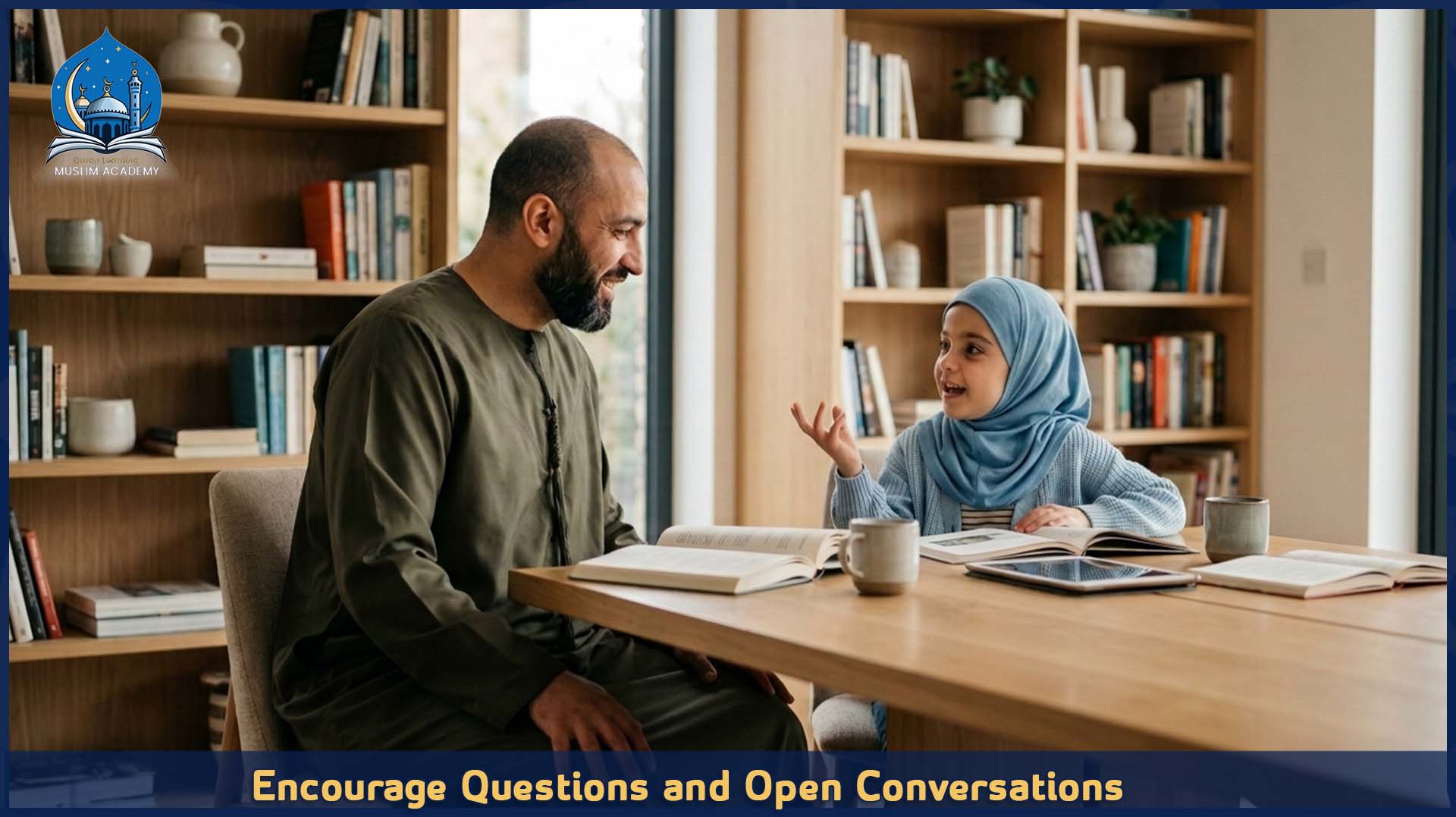
Children are naturally inquisitive, and their questions should always be welcomed. Parents searching for How to Teach Kids Islam should create an environment where children feel comfortable asking about Allah, the Quran, prayer, or any aspect of Islam without fear of being judged.
Instead of dismissing their questions, listen carefully and answer in a way that matches their age and understanding. If you do not know the answer, use it as an opportunity to learn together by referring to authentic Islamic sources or asking qualified teachers. Open conversations help children:
- Develop confidence in their faith.
- Understand Islamic teachings more deeply.
- Build critical thinking skills.
- Strengthen trust with their parents.
- Feel connected to Islam throughout every stage of life.
Children who are encouraged to ask questions are more likely to remain engaged with their faith as they grow older. This supportive approach is a key part of the learning experience at Muslim Online Quran Academy, where experienced teachers patiently answer students’ questions and help them understand Islam with clarity and compassion.
Create a Positive Islamic Environment at Home
Creating a positive home environment is one of the most effective ways to understand how to Teach Kids Islam. A child’s surroundings shape their character, habits, and faith, so parents should make Islam a natural part of everyday life. How to Teach Kids Islam becomes much easier when children regularly see Islamic values practiced at home. A positive Islamic home may include:
- Playing Quran recitation regularly.
- Keeping Islamic books within children’s reach.
- Encouraging family prayer.
- Using Islamic greetings every day.
- Remembering Allah during daily activities.
- Celebrating Islamic occasions with joy.
- Practicing kindness, forgiveness, and respect within the family.
Parents who want to master how to Teach Kids Islam should focus on creating an environment filled with faith, love, and positive examples instead of relying only on instructions. When Islam is practiced daily, children naturally develop good habits and a stronger connection with their religion.
Ultimately, How to Teach Kids Islam is a continuous journey that begins at home. By combining a nurturing Islamic atmosphere with quality education from Muslim Online Quran Academy, families can successfully apply How to Teach Kids Islam and raise confident, knowledgeable, and practicing Muslims.
Common Mistakes Parents Make When Teaching Kids Islam
Learning how to Teach Kids Islam is not only about knowing what to teach but also understanding what to avoid. Many parents have good intentions, yet some common mistakes can make children lose interest in Islamic learning. By recognizing these challenges early, families can create a positive and lasting connection between their children and Islam.
1. Expecting Too Much Too Soon
Every child learns at a different pace. Expecting a young child to memorize long Surahs, understand complex Islamic rulings, or perfect every act of worship can lead to frustration. Instead, celebrate small achievements and encourage gradual progress.
Remember that consistency is far more valuable than rushing through lessons.
2. Making Islam Feel Like a Punishment
Islam should always be associated with mercy, love, and guidance. Avoid using Islamic practices as a form of punishment, such as saying, “If you misbehave, you have to read the Quran.” Instead:
- Praise good behavior.
- Encourage worship with kindness.
- Celebrate learning milestones.
- Make Islamic activities enjoyable.
Children who connect Islam with positive experiences are more likely to remain committed as they grow older.
3. Focusing Only on Memorization
Memorizing the Quran is a wonderful goal, but it should not be the only objective. Parents who ask how to Teach Kids Islam should also focus on helping children understand the meanings of verses, practice Islamic manners, and apply Islamic teachings in everyday life. A balanced Islamic education combines:
- Quran recitation.
- Basic Aqeedah.
- Daily duas.
- Good manners.
- Love for Allah and His Messenger ﷺ.
This balanced approach helps children develop both knowledge and strong character.
The Role of Online Quran Learning in Raising Muslim Children
Technology has made Islamic education more accessible than ever. Families no longer need to rely only on local classes, as qualified teachers are now available online. For parents exploring how to Teach Kids Islam, online Quran learning offers flexibility while maintaining high educational standards. Some of the advantages include:
- One-to-one personalized lessons.
- Flexible schedules for busy families.
- Qualified male and female Quran teachers.
- Live interactive classes.
- Structured Islamic curriculum.
- Regular progress assessments.
- Safe and comfortable learning from home.
These benefits allow children to learn consistently without interrupting their school or family routines. At Muslim Online Quran Academy, every lesson is designed to suit the child’s age, learning style, and current level. This personalized approach helps children gain confidence while building a genuine love for the Quran and Islamic studies.
Why Choose Muslim Online Quran Academy?
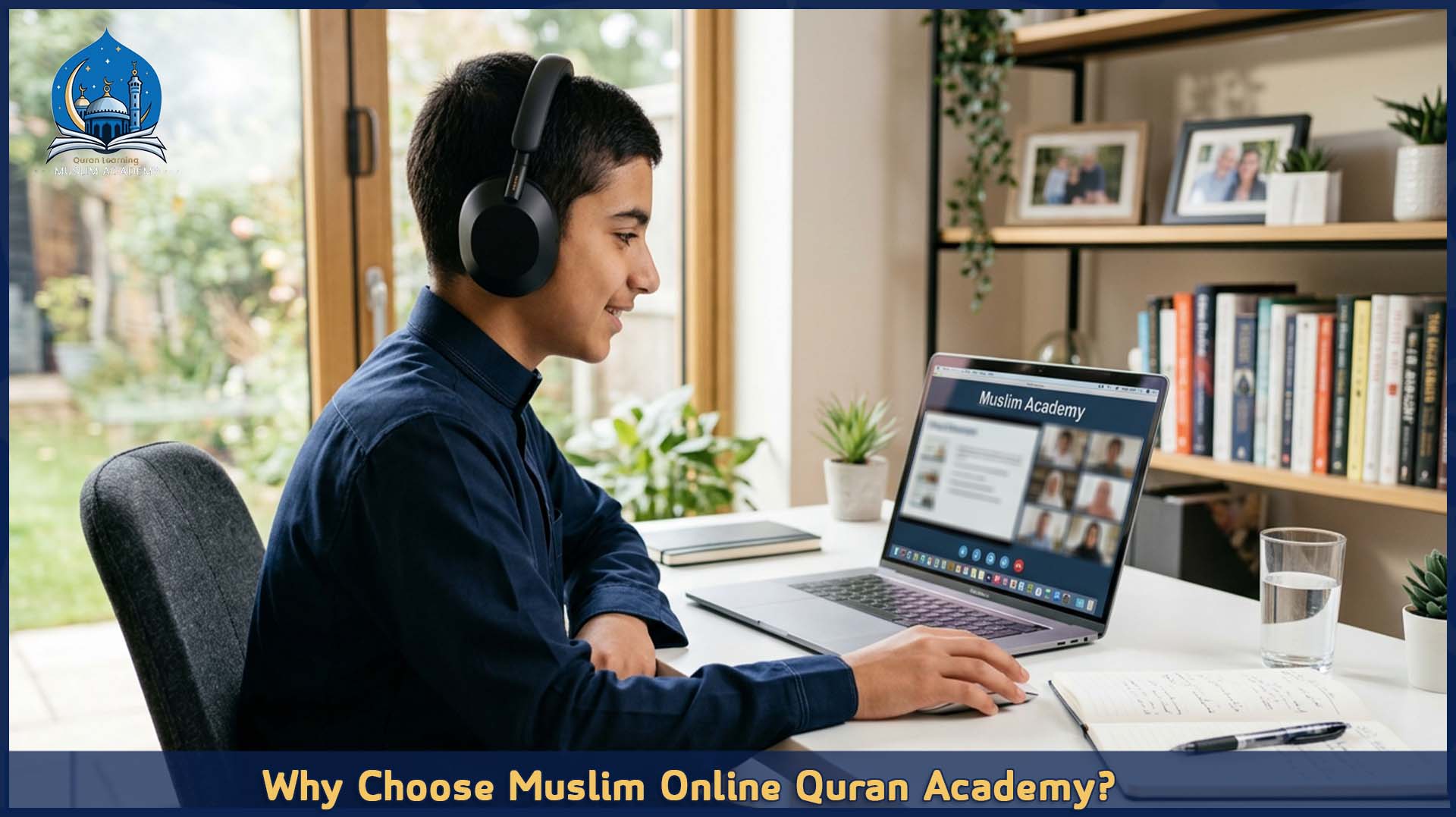
Choosing the right learning environment plays an important role in a child’s Islamic journey. While parents provide guidance at home, professional teachers help children develop accurate Quran recitation, proper Tajweed, and a deeper understanding of Islamic values. Muslim Online Quran Academy offers a supportive environment where children can grow academically and spiritually.
What Makes Muslim Online Quran Academy Different?
- Certified and experienced Quran teachers.
- Interactive one-to-one online classes.
- Flexible schedules for families worldwide.
- Quran reading with proper Tajweed.
- Islamic studies designed for children.
- Personalized learning plans.
- Regular progress reports.
- Friendly and encouraging teaching methods.
Whether your child is just beginning to learn the Arabic alphabet or is working toward Quran memorization, the academy provides structured lessons that inspire confidence and make learning enjoyable.
For parents searching for How to Teach Kids Islam, combining daily guidance at home with professional instruction creates the strongest foundation for lifelong Islamic learning.
Frequently Asked Questions
Choosing the right approach to teaching Islam often raises important questions for parents. Below are answers to some of the most common concerns that can help you build a strong Islamic foundation for your child with confidence.
1. At what age should I start teaching my child about Islam?
Children can begin learning about Islam from their earliest years. Simple habits such as saying Bismillah, listening to Quran recitation, learning short duas, and observing family prayers help build familiarity with Islamic values before formal lessons begin.
2. How can I keep my child interested in learning Islam?
Keep lessons short, interactive, and appropriate for your child’s age. Use stories, educational games, rewards, and practical activities to make learning enjoyable. Encouragement and consistency are much more effective than pressure or strict expectations.
3. Should children learn Arabic before reading the Quran?
Not necessarily. Many children begin by learning the Arabic alphabet and basic pronunciation while gradually developing their reading skills. With proper guidance from qualified teachers, they can improve both Quran recitation and Arabic reading step by step.
4. How do online Quran classes help children learn Islam?
Online Quran classes provide children with access to qualified teachers, structured lesson plans, flexible schedules, and one-to-one attention. This personalized approach allows children to learn at their own pace while building confidence in Quran recitation, Tajweed, and essential Islamic knowledge from the comfort of home.
In conclusion, teaching children about Islam is a lifelong journey built on patience, consistency, and sincere intention. When parents understand how to Teach Kids Islam, they realize that the goal is not simply to teach information but to nurture children who love Allah, follow the Sunnah of the Prophet Muhammad ﷺ, and practice Islam with confidence and compassion.
Every small effort matters. Reading the Quran together, praying as a family, sharing stories of the Prophets, teaching daily duas, and demonstrating good manners all contribute to raising righteous Muslim children. These daily habits strengthen faith and create lasting memories that children carry into adulthood.
Parents should also remember that every child learns differently. Encourage progress, celebrate achievements, answer questions with kindness, and create a positive environment where Islamic learning is enjoyable rather than stressful.
With the support of experienced teachers at Muslim Online Quran Academy, children receive structured Quran education, proper Tajweed instruction, and authentic Islamic knowledge that complements what they learn at home. By combining family guidance with professional online learning, parents can help their children develop a strong Islamic identity and a lifelong connection with the Quran.ر Learn more through our How to perform wudu.