
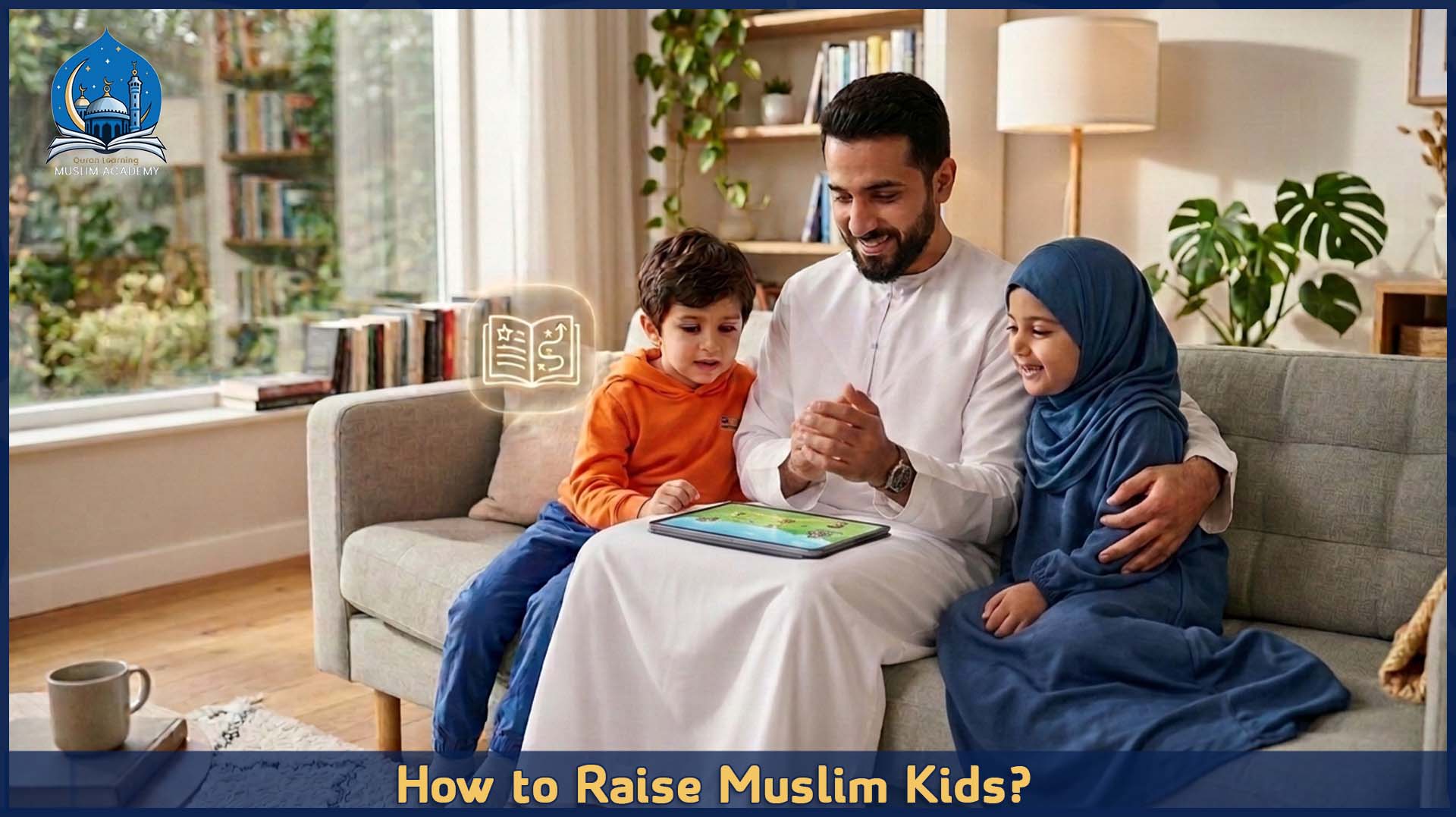
How to Raise Muslim Kids: A Practical Guide for Parents
How to raise muslim kids is a question many Muslim parents ask when they want their children to grow up with strong faith, good character, and a meaningful connection with Islam. Raising children with Islamic values is not about demanding perfection from an early age. Instead, it is a gradual journey built through love, example, patience, consistent teaching, and a home environment that makes faith feel natural.
Parents today face a complicated environment. Children interact with friends, teachers, social media, entertainment, and online content that may introduce ideas very different from those taught at home. Therefore, knowing how to raise muslim kids requires more than teaching religious information. Children need to understand why Islamic values matter and how those values can guide their everyday choices.
The most effective approach is usually practical. A child who sees parents praying, speaking kindly, keeping promises, showing gratitude, and turning to Allah during difficult moments learns lessons that no textbook can fully provide. At the same time, children need age-appropriate opportunities to ask questions, make mistakes, and develop their own relationship with their faith.
Why learning how to raise Muslim kids requires patience?
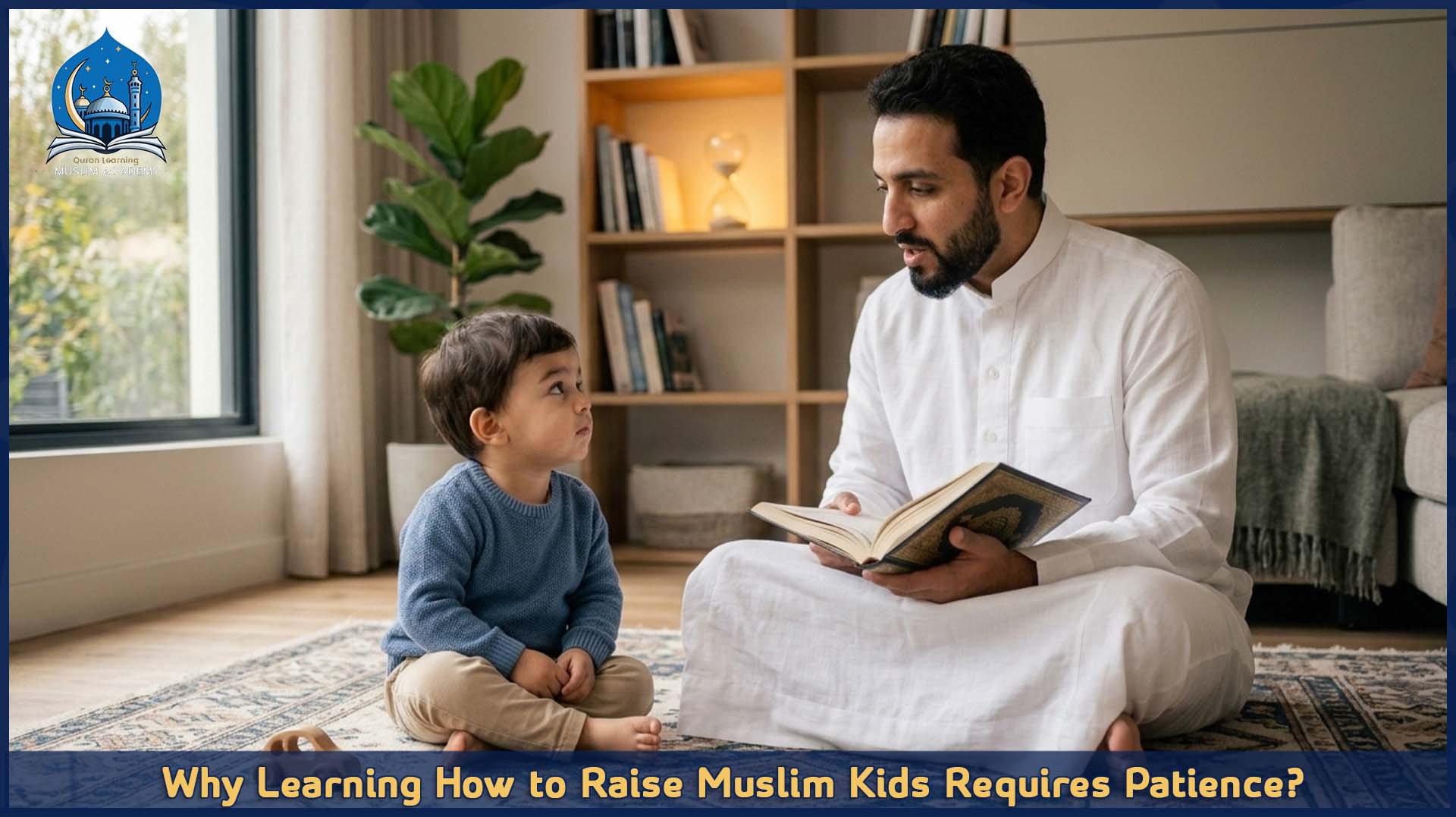
One of the first lessons parents discover when exploring Islamic parenting is that meaningful change takes time. Children rarely develop strong habits after hearing one instruction. They need repetition, encouragement, reminders, and opportunities to practice what they have learned.
A parent may ask a child to pray, speak respectfully, read Quran, or remember Allah several times before the habit becomes familiar. This repetition can feel exhausting, especially when parents expect immediate results. However, consistency is more valuable than intensity.
Islamic parenting should therefore focus on gradual progress. Instead of introducing every religious practice at once, parents can choose one small habit and make it part of the family’s routine. Once the habit becomes comfortable, another can be introduced.
This approach also protects children from feeling that religion is simply a list of demands. When Islamic practices are introduced gradually and explained with warmth, children are more likely to associate faith with stability, belonging, and purpose.
Start learning Quran recitation with Tajweed today
If you want to master Quran Recitation with Tajweed and improve your pronunciation with confidence, this is the perfect time to start. Muslim Academy offers structured online lessons that help you learn step by step with qualified teachers and clear guidance.
In addition, you will practice regularly, receive real corrections, and build strong Quran reading skills from the comfort of your home. Therefore, don’t wait and take action today to improve your recitation, strengthen your understanding, and connect deeply with the Holy Quran through professional and flexible learning.

Lead by example
Parents are among the strongest influences in a child’s early life. Before children understand complex religious concepts, they observe how adults behave. For this reason, understanding Islamic parenting begins with asking what children see at home every day.
If parents want children to respect prayer, they should allow children to see prayer treated as an important part of life. If parents want children to speak kindly, they should model respectful communication. If they want children to apologize after making mistakes, they should be willing to apologize themselves.
Children notice these details even when adults assume they are not paying attention. A practical example includes:
- Praying regularly and allowing children to see the importance of Salah.
- Saying Bismillah before eating and thanking Allah afterward.
- Speaking respectfully about other people.
- Showing patience when problems occur.
- Making dua during both difficult and happy moments.
- Reading or listening to Quran as part of family life.
- Demonstrating honesty in ordinary situations.
The goal is not to perform perfectly in front of children. Rather, parents can demonstrate what it means to keep returning to Allah and correcting oneself.
Teach with love rather than fear
Another important part of Islamic parenting is creating a healthy emotional relationship with religion. Children need boundaries, but constant fear-based communication can make religious practice feel threatening.
A child should gradually understand that Islam contains guidance, mercy, responsibility, worship, and accountability. When parents discuss Allah, they can emphasize His mercy while also teaching children that actions have consequences.
For example, when a child makes a mistake, parents can explain why the behavior was wrong without making the child feel rejected. Statements such as “I love you, but this action was not right” help separate the child’s worth from the mistake.
This distinction is important because children will make mistakes. They may forget prayers, lose their temper, argue with siblings, or struggle with Islamic habits. A constructive response teaches them how to recover instead of simply making them afraid of punishment.
Parents who want to understand Islamic parenting should therefore think about the emotional message behind every correction. Is the child learning responsibility, or only learning fear? Is the child being guided toward better behavior, or simply being shamed?
Build an Islamic home environment
The home plays a major role in Islamic parenting because children absorb the atmosphere around them. A home does not need to look like a classroom or become filled with religious lectures. Small, consistent reminders can make Islamic values part of normal family life.
Parents can create simple routines around prayer, Quran, dua, gratitude, and good manners. For younger children, visual reminders and age-appropriate books can make learning more engaging. Older children may benefit from conversations about real-life situations and the Islamic principles that apply to them. A useful family routine might include:
- Beginning meals with Bismillah.
- Making a short dua together.
- Setting aside regular Quran time.
- Discussing one Islamic value each week.
- Encouraging children to help others.
- Reflecting on blessings before bedtime.
These activities do not have to take hours. The purpose is to make faith visible and familiar.When parents consider Islamic parenting, they should remember that consistency in the home environment can have a greater effect than occasional intensive lessons.
Build small, consistent habits
A common parenting mistake is trying to change everything simultaneously. Parents may suddenly establish several religious routines, introduce numerous lessons, and expect children to follow all of them immediately.A better strategy for Islamic parenting is to break large goals into manageable steps.
For example, if a child is beginning to learn Salah, parents can first help the child recognize the prayer times. Then they can teach the movements gradually. After that, they can introduce the words and explain their meanings in simple language.
The same principle applies to Quran learning. A child does not need to memorize large amounts immediately. A few lines learned correctly and reviewed consistently may provide a stronger foundation than a large amount memorized quickly and forgotten later.
Small steps also allow parents to identify what works for each child. Some children respond well to repetition. Others learn through stories, visuals, discussion, or practical activities.
Teach children why Islam matters
learning about Islamic parenting is not simply about teaching children what to do. Parents should also help them understand why Islamic practices matter.
A child may ask, “Why do we pray?” A useful answer should be appropriate for the child’s age rather than simply saying, “Because Allah commanded us.”
That command is important, but children can also learn that prayer gives Muslims an opportunity to remember Allah, express gratitude, seek help, and maintain a regular connection with their Creator.
Likewise, parents can explain fasting as an opportunity to develop self-control, gratitude, empathy, and awareness of those who have less.
When children understand the meaning behind practices, religious habits become more than instructions. They become connected to purpose. This is one reason why Islamic parenting should always include conversations, not just commands.
Help children build a connection with the Quran
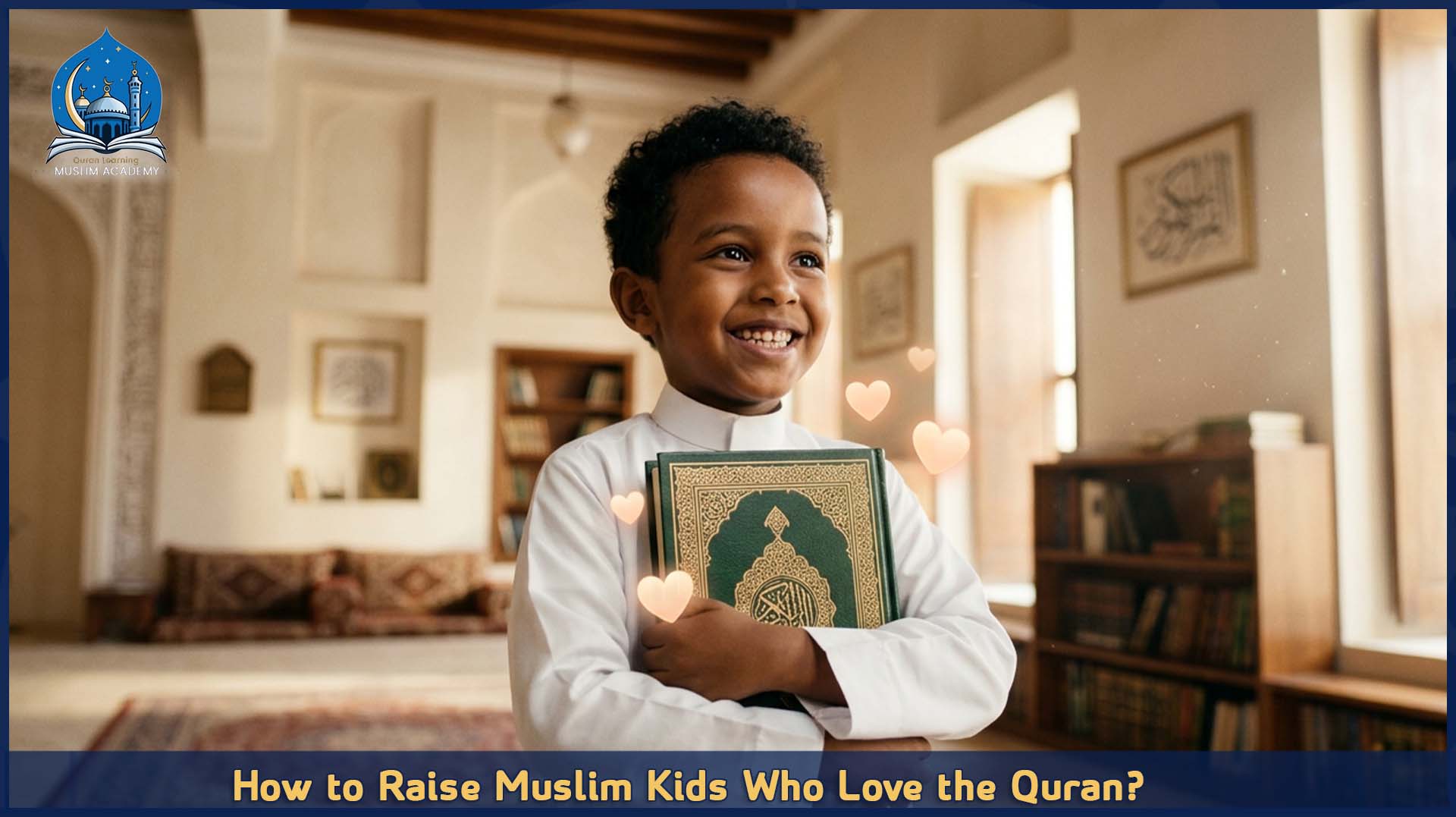
A positive relationship with the Quran can become one of the strongest foundations of Islamic upbringing. However, parents should be careful not to make Quran learning feel like a punishment. Children can encounter the Quran through:
- Listening to beautiful recitation.
- Reading short surahs together.
- Learning the meanings of selected verses.
- Memorizing short passages gradually.
- Hearing stories connected to Quranic teachings.
- Discussing how Quranic values apply to daily situations.
Parents can also celebrate progress without turning Quran memorization into a competition. For families looking for structured support, Muslim Online Quran Academy for Kids USA can complement the home environment by providing organized Quran learning while parents continue reinforcing lessons at home.
The important point is balance. Online instruction should support family involvement rather than replace it.
Teach good character as part of faith
Character grows through everyday examples as well as lessons. Help children connect what they learn about Islam with how they speak, share, and respond when they make a mistake. Practise qualities such as:
- Honesty.
- Kindness.
- Patience.
- Respect.
- Responsibility.
- Forgiveness.
- Gratitude.
- Humility.
- Keeping promises.
- Helping people in need.
Parents can teach these qualities through ordinary situations. If siblings argue, the incident becomes an opportunity to discuss forgiveness and respectful communication. If a child finds something that belongs to someone else, parents can discuss honesty.
This practical approach makes islamic studies for kids UK ethics understandable because children can connect principles to real experiences.
Help children learn from mistakes
Another important approaches to Islamic parenting involves teaching children that making mistakes does not mean they have failed permanently.
Children need to know how to respond after making a poor decision. Parents can teach them to acknowledge the mistake, apologize when necessary, correct the harm, and try again.This approach develops resilience.
For example, if a child becomes angry and speaks disrespectfully, the parent can address the behavior while helping the child identify what triggered the anger. The child can then practice a better response for the next situation.
Islamic upbringing should create a pathway back to good behavior. Children should understand that repentance, correction, and improvement are always meaningful.
Surround children with positive influences
The question of Islamic parenting cannot be separated from the environment in which children grow. Friends, school, entertainment, online communities, and social media can all influence attitudes and behavior.
Parents cannot control every influence, nor should they try to isolate children completely. Instead, they can help children develop the ability to evaluate what they encounter.
A strong family relationship makes these conversations easier. Children who feel comfortable talking to parents are more likely to discuss confusing content rather than hiding it. Parents can ask:
- What did you see today that surprised you?
- Did someone say something you disagreed with?
- What do you think about that idea?
- How would islamic online quran academy values guide you in this situation?
These conversations prepare children to think rather than simply obey.
Parenting in a digital world
Technology has changed Islamic parenting because children can access enormous amounts of information from a young age. Phones, tablets, games, videos, and social media can become significant parts of childhood.
Parents should establish clear and age-appropriate digital boundaries. However, rules work better when children understand their purpose.
Instead of simply saying “You cannot use this,” parents can explain concerns about inappropriate content, excessive screen time, privacy, and online behavior.Families can also create technology-free periods, particularly around family meals, prayer, study, and bedtime.
Most importantly, parents should remain interested in what children are consuming. Ask them about their favorite channels, games, and creators. Knowing what children enjoy creates opportunities for meaningful conversations.
Make Islamic learning interactive
Traditional lectures are not always the best way to teach children. Parents researching Islamic parenting can make Islamic education for kids at home more interactive by connecting lessons to activities.
For example, children can:
- Create simple Ramadan projects.
- Learn duas through repetition and games.
- Practice Arabic letters.
- Listen to stories of the Prophets.
- Discuss Islamic manners through role-play.
- Help prepare charity packages.
- Keep a gratitude journal.
- Participate in family Quran sessions.
Interactive learning gives children opportunities to use what they learn.The objective is not entertainment for its own sake. Instead, activities should help children understand and remember online Islamic classes education concepts.
Make time for family worship
Family worship can create powerful memories. Parents do not need to make every worship experience lengthy. Even short shared moments can help children feel that faith is something the whole family practices together.
Families can pray together, listen to the Quran, make dua, discuss a verse, or spend a few minutes remembering Allah.
As children grow older, parents can gradually give them more responsibility. A child might remind the family about a prayer, help younger siblings with a short surah, or lead a simple family activity. These responsibilities can strengthen confidence while reinforcing Islamic values.
Teach children about dua
Dua is another practical element of Islamic parenting because it helps children understand that they can turn to Allah in every situation.
Parents can encourage children to make dua when they are:
- Happy.
- Worried.
- Sick.
- Starting something new.
- Facing a difficult decision.
- Grateful for something.
- Asking forgiveness.
Children can also be encouraged to use simple words when making personal dua. Over time, they can learn authentic supplications and understand their meanings.
This teaches reliance upon Allah without discouraging children from taking practical steps to solve problems.
Use clear, age-appropriate discipline
Discipline is necessary, but effective discipline should teach rather than humiliate. Parents exploring Islamic parenting should establish clear expectations and consistent consequences.
Children need to know:
- What behavior is expected.
- Why the behavior matters.
- What happens when rules are ignored.
- How they can repair mistakes.
Parents should avoid correcting children while extremely angry whenever possible. A calm response allows the child to focus on the lesson rather than the parent’s emotional reaction.
Discipline should also match the child’s age and understanding. What works for a preschooler will not necessarily work for a teenager.
Help children build a Muslim identity
As children become more independent, they may begin asking deeper questions about identity. This makes Islamic parenting especially important during later childhood and adolescence.
Parents should give children space to ask difficult questions without immediately assuming that questions indicate weak faith.
A child may wonder why Muslims pray differently, why certain foods are prohibited, why modesty matters, or how Islam relates to contemporary issues. These questions deserve thoughtful responses.
If parents do not create a safe environment for questions, children may seek answers elsewhere without the benefit of family guidance. Healthy Islamic identity grows through knowledge, belonging, experience, and personal reflection.
Set realistic expectations
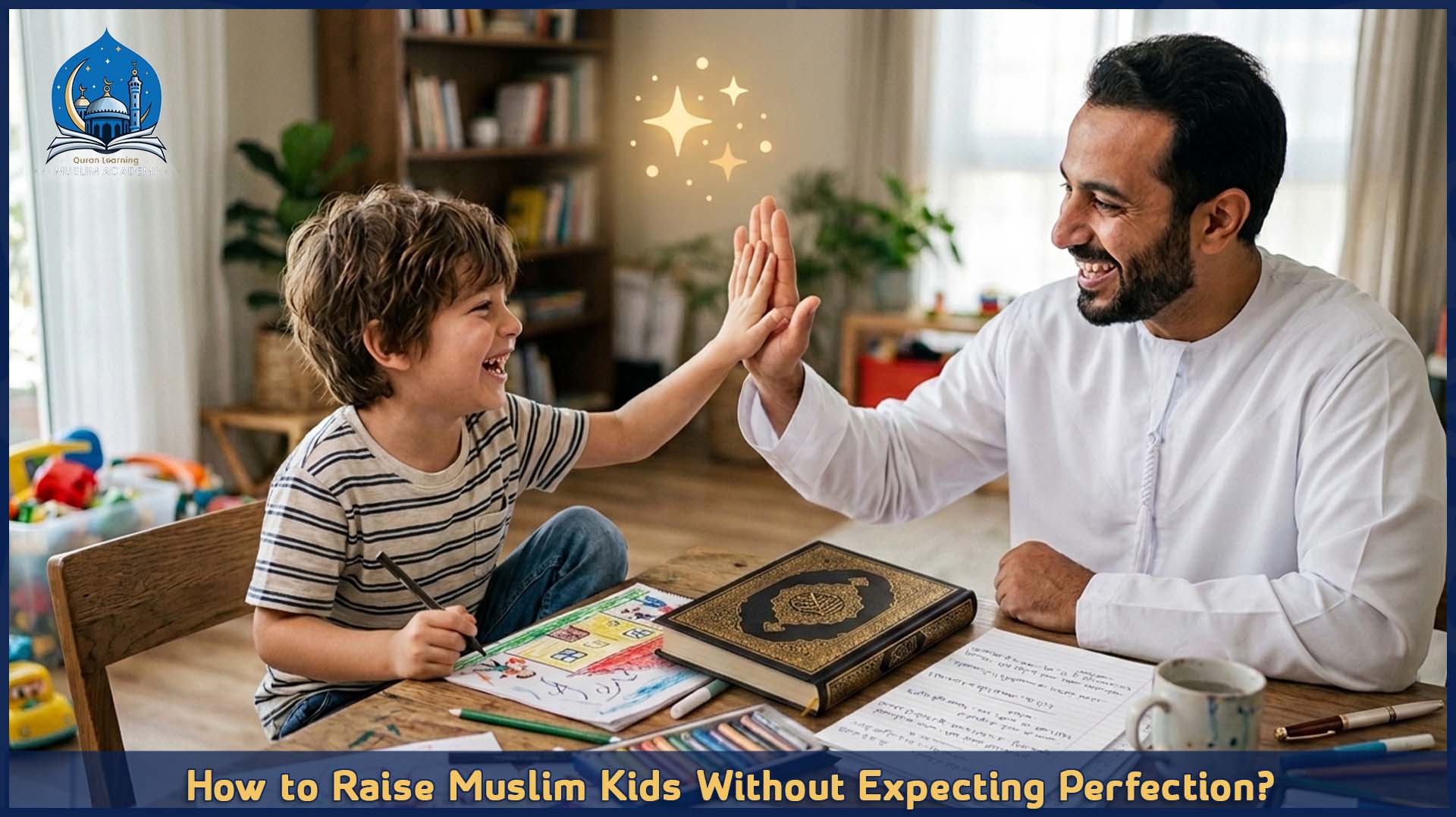
One of the most important principles in Islamic parenting is accepting that children are still developing. A child may have periods of enthusiasm followed by periods of resistance. A teenager may question practices that once seemed easy. A younger child may forget a lesson immediately after learning it.
These situations do not automatically mean that parenting has failed. Parents should look at long-term development rather than judging each day in isolation.
A child who gradually learns to pray, apologize, help others, read Quran, and seek Allah’s guidance is making meaningful progress, even if the journey includes setbacks.
Encourage good friendships
Friends can significantly influence children’s behavior, language, interests, and priorities. Therefore, friendship is an important part of Islamic parenting.
Parents should encourage friendships with children who demonstrate good manners and respect. At the same time, they should teach children how to behave responsibly around people who have different beliefs or habits.
Islamic upbringing does not require children to treat others badly because they are different. Instead, children can learn to maintain their values while treating everyone fairly and respectfully.
Parents can ask children about their friendships and invite friends into the home when appropriate. This helps parents understand the social environment surrounding their children.
Find support in your community
Parents do not have to handle every part of Islamic education alone. Community can provide valuable support through mosques, educational programs, family activities, teachers, and trusted mentors.
A strong community gives children opportunities to see Muslims of different ages practicing their faith. This can make Islamic identity feel broader than the immediate household.
Parents can also seek professional Quran education when they need structured guidance. Muslim Online Quran Academy may be useful for families who want children to develop Quran reading and memorization skills through a more organized learning routine.
Still, parents remain central to the child’s upbringing. Educational support works best in online quran classes when it connects with the values already practiced at home.
Make Ramadan a positive childhood memory
Ramadan offers a unique opportunity for Islamic parenting because children can participate in family traditions even before they are old enough to fast fully.
Parents can involve children in preparing meals, reading Quran, giving charity, decorating the home, attending appropriate community activities, and making dua.
Younger children should not be pressured to fast beyond what is appropriate for their age and circumstances. Instead, parents can help them experience Ramadan as a season of worship, generosity, family connection, and gratitude. Positive memories can remain with children for years.
Teach through stories
Stories are powerful educational tools. Children often remember a meaningful story longer than they remember a list of instructions.
Parents can share age-appropriate stories about the Prophets, Companions, Islamic scholars, and ordinary Muslims who demonstrated courage, patience, honesty, or generosity.
After the story, parents can ask a simple question: “What would you have done?”This transforms passive listening into reflection.
Stories should also be presented accurately and in an age-appropriate manner. The purpose is to build understanding and character rather than simply entertain.
Teach children gratitude
Gratitude is another essential part of Islamic parenting. Children can easily become focused on what they want next. Parents can help them recognize what they already have.
At dinner, for example, each family member can mention one blessing. Before sleeping, a child can think about something that made them grateful during the day. Parents can connect gratitude to Allah while also encouraging children to thank people who help them.
This simple habit can influence how children perceive difficulties. Instead of focusing exclusively on what is missing, they gradually learn to recognize blessings.
Encourage children to serve others
Service teaches children that Islamic character extends beyond personal worship. Parents can give children age-appropriate responsibilities at home and opportunities to help others.
A young child might help prepare food for a neighbor. An older child might organize donated items or assist a younger sibling. These experiences demonstrate that kindness is not merely something discussed during religious lessons. It is something practiced.
When children repeatedly experience the satisfaction of helping others, generosity can become part of their character.
Teach respect for parents without creating fear
Respect for parents is important, but children should also understand that family relationships involve kindness and responsibility from both sides.
Parents can teach children to speak respectfully, listen, help around the home, and appreciate parental effort. At the same time, parents can model fairness and compassion. This balance makes authority more trustworthy.
A child who feels respected is often more receptive to guidance. Therefore, Islamic parenting should include both parental authority and emotional connection.
Adapt your approach as children grow
The methods used for Islamic parenting should change as children mature. What works for a five-year-old will not necessarily work for a fifteen-year-old.
Young children need repetition, routines, stories, and simple explanations. Older children need deeper discussions, responsibility, and opportunities to make decisions.
Teenagers especially need parents who can listen without immediately turning every conversation into a lecture. As children grow, parents should gradually move from direct control toward guidance and trust.
The ultimate goal is not to create children who behave well only when parents are watching. The goal is to help them develop an internal sense of responsibility before Allah.
Use Quran learning as a long-term journey
Quran education should be treated as a long-term process rather than a race. Children have different learning speeds, memories, interests, and abilities.
A structured program can help establish consistency, while parents can reinforce lessons through regular review at home.
Muslim Online Quran Academy can provide additional support for families seeking organized Quran instruction. Parents should nevertheless focus on making Quran learning sustainable rather than demanding unrealistic daily targets.
Reviewing a small amount consistently can be more beneficial than constantly moving forward without retention.
Keep expectations consistent
Consistency is one of the strongest approaches to Islamic parenting. Children benefit when expectations remain reasonably stable.
If prayer, honesty, kindness, and respectful communication matter today but are ignored tomorrow, children receive mixed messages.
Consistency does not mean rigidity. Families will have busy days, travel, illness, school commitments, and unexpected circumstances. The goal is to return to good routines rather than abandon them whenever life becomes complicated.Parents can therefore focus on maintaining a few core practices even during difficult periods.
Protect the parent-child relationship
No discussion of Islamic parenting is complete without considering the relationship between parents and children.
A child who knows that parents will listen is more likely to seek guidance when facing a serious problem. Parents can strengthen this relationship by spending individual time with each child.
- Listening without interrupting.
- Asking open-ended questions.
- Avoiding unnecessary comparisons.
- Praising genuine effort.
- Apologizing after unfair reactions.
- Creating regular family time.
A strong relationship does not eliminate discipline. Instead, it makes discipline more effective because children understand that correction comes from care.
When parenting feels difficult
There will be moments when Islamic parenting feels overwhelming. Parents may become frustrated when a child repeatedly ignores instructions or struggles with a habit.
In such moments, it helps to remember that development is gradual. A difficult season does not define the entire parenting journey. Parents can pause, reassess expectations, and choose one manageable priority.
For example, instead of trying to correct five behaviors simultaneously, focus on one behavior for a few weeks. Once improvement becomes stable, another goal can be introduced.
Patience does not mean ignoring problems. It means addressing them without losing sight of the child’s long-term development.
Create a balanced family routine
A balanced routine can make Islamic upbringing easier because children know what to expect. A simple daily structure may include:
- Morning remembrance.
- School or learning time.
- Prayer according to the family’s routine.
- Family meals.
- Quran reading or review.
- Outdoor play or exercise.
- Family conversation.
- Bedtime dua.
The exact schedule will vary by age and family circumstances. Parents should avoid turning every minute into an educational opportunity. Children need play, rest, creativity, friendships, and free time too.
A balanced childhood allows Islamic values to become integrated into life rather than treated as a separate subject.
Keep improving your parenting approach
Parents learning about Islamic parenting should also be willing to learn themselves. Parenting methods need adjustment because every child is different.
A strategy that worked with one child may not work with another. Some children need more encouragement, while others respond better to independence. Some enjoy structured routines, while others need flexibility. Parents can observe, reflect, and adapt.
The most important question is not “How can I make my child obey immediately?” but “What lesson does my child need to learn, and how can I help them learn it?”That change in perspective can transform everyday parenting.
Keep progress gradual and realistic
The central lesson behind Islamic parenting is that Islamic upbringing is a journey rather than a single parenting technique.
Three principles can guide the journey:
1. Be persistent
Good habits require repetition. Parents should continue teaching and encouraging children even when progress appears slow.
2. Create positive surroundings
Children need environments that reinforce faith, good character, healthy friendships, meaningful learning, and responsible media use.
3. Take small steps
Large goals become manageable when divided into small actions. One prayer habit, one short surah, one daily dua, or one act of kindness can become the foundation for something much greater.
These principles help parents avoid unrealistic expectations while keeping the larger purpose in view.
Using online Quran lessons alongside home learning
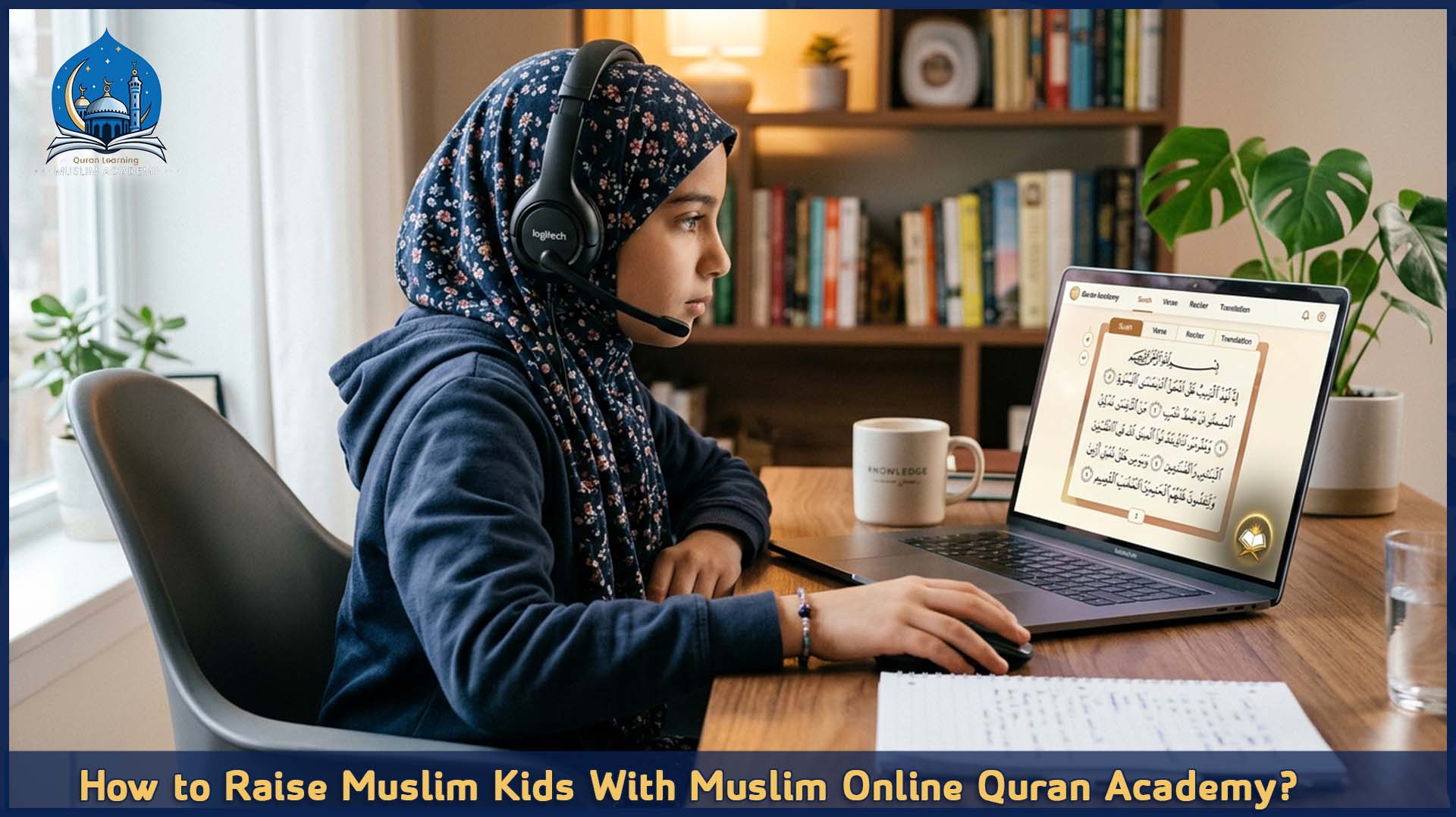
For families that need structured Quran education, Muslim Online Quran Academy can become part of a broader educational routine. Regular lessons can help children improve Quran reading, memorization, and foundational Islamic learning while parents reinforce those lessons at home.
The key is to treat formal instruction as one part of the child’s development. Children still need parents to demonstrate faith through everyday behavior. When home routines and Quran lessons support each other, children receive a more consistent message.
Frequently asked questions
Provide parents with practical guidance on teaching Islamic values, building good habits, and supporting children’s spiritual and moral development.
What should parents do if their child refuses to learn about Islam?
Start by trying to understand the reason for the resistance. The child may be tired, overwhelmed, confused, or responding to an overly demanding approach. Reduce pressure, make lessons age-appropriate, and rebuild a positive connection through conversation and shared activities.
At what age should parents begin teaching children about Islamic values
Parents can introduce simple Islamic concepts from early childhood through everyday routines, language, stories, and family behavior. The depth of instruction should increase naturally as the child develops greater understanding.
How can parents balance Islamic upbringing with a child’s independence?
Give children age-appropriate choices while maintaining clear family values. Allow them to ask questions, express concerns, and participate in decisions when appropriate. Independence should develop alongside responsibility rather than replacing parental guidance.
What should parents do when siblings have very different religious learning abilities?
Avoid comparing them. Each child has a different pace, personality, memory, and learning style. Set individual goals and celebrate genuine progress rather than expecting every child to reach the same milestone at the same time.
In conclusion, learning about Islamic parenting is ultimately about building a foundation that children can carry into adulthood. Parents cannot control every influence their children will encounter, and they cannot guarantee that every lesson will be accepted immediately.
What they can do is provide consistent guidance, a loving home, meaningful Islamic education, strong character modeling, and opportunities for children to develop a sincere relationship with Allah.
The process requires patience. It requires repetition. It requires parents to correct themselves as well as their children. Most importantly, it requires parents to remember that strong character and faith usually develop through many small moments rather than one dramatic transformation.
For families seeking additional Quran support, Muslim Online Quran Academy can be incorporated into this long-term approach alongside active parental involvement.
A child does not need a perfect parent. A child needs a parent who keeps guiding, teaching, listening, correcting, encouraging, and returning to the right path. With consistent effort, sincere dua, and thoughtful parenting, the journey of raising faithful and responsible Muslim children can become one of the most meaningful responsibilities a family undertakes.