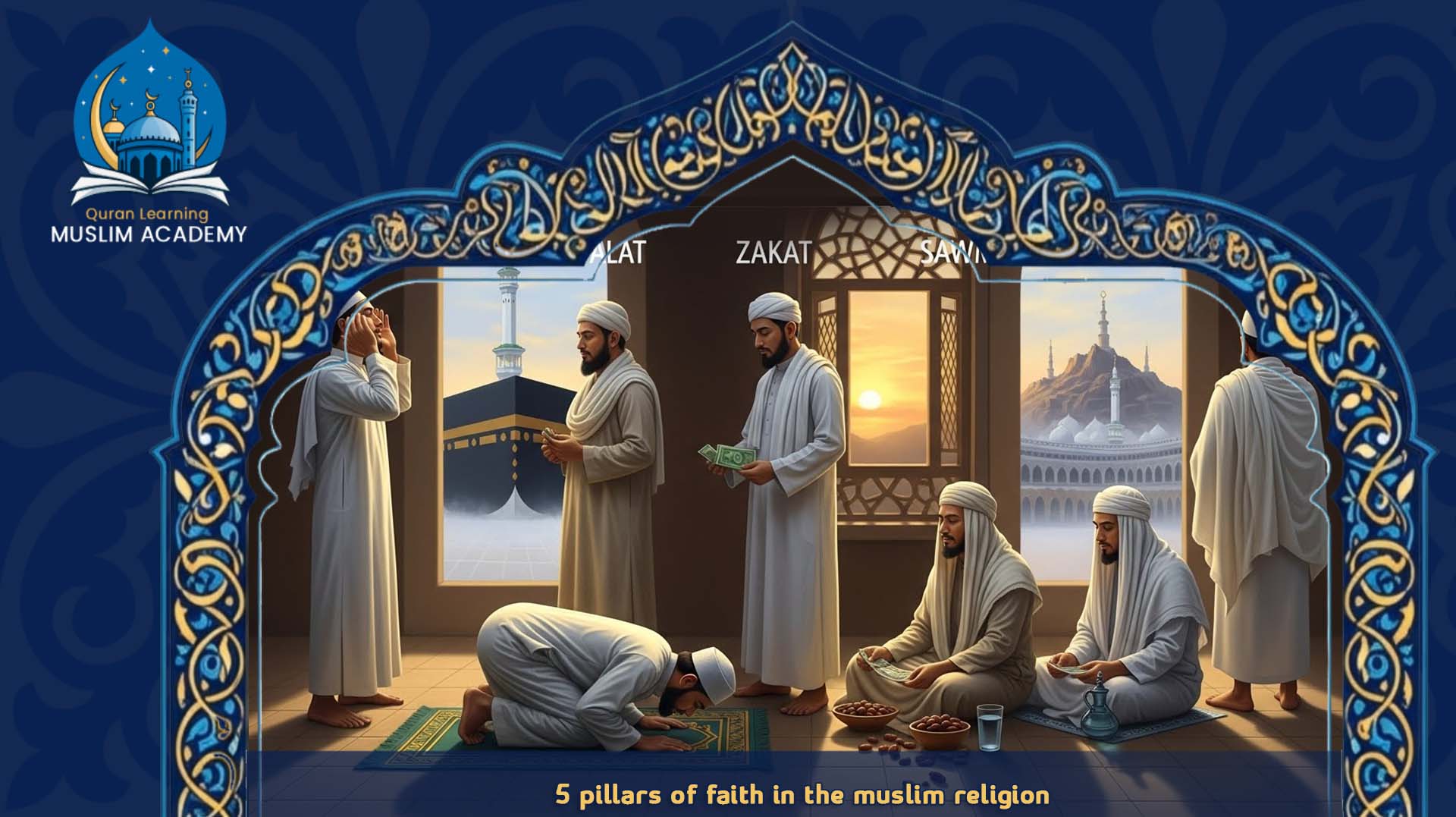
5 pillars of faith in the muslim religion: vital 2026
5 Pillars Of Faith In The Muslim Religion Muslim Academy Understanding the 5 Pillars Of Faith In The Muslim Religion is the gateway to recognizing the essence of a Muslim’s spiritual journey and daily devotion. These pillars form the foundation of belief, shaping how Muslims connect with Allah through intention, discipline, and sincere practice. This connects closely with our the five pillars of Islam, which many families find useful.
At Online Quran Academy Muslim Academy, learners explore these pillars with clarity, compassion, and guidance that strengthens both knowledge and faith. Learn more through our Learning Quran for beginners.
Each pillar carries a profound meaning that inspires moral values, spiritual growth, and a deeper sense of purpose. By discovering the role of these pillars, individuals gain a clearer understanding of Islamic teachings and how they influence personal development, worship, and community life. It’s worth pairing this with our the six pillars of Iman for a fuller picture.
Pillars of Faith in the Muslim Religion: A Complete Guide
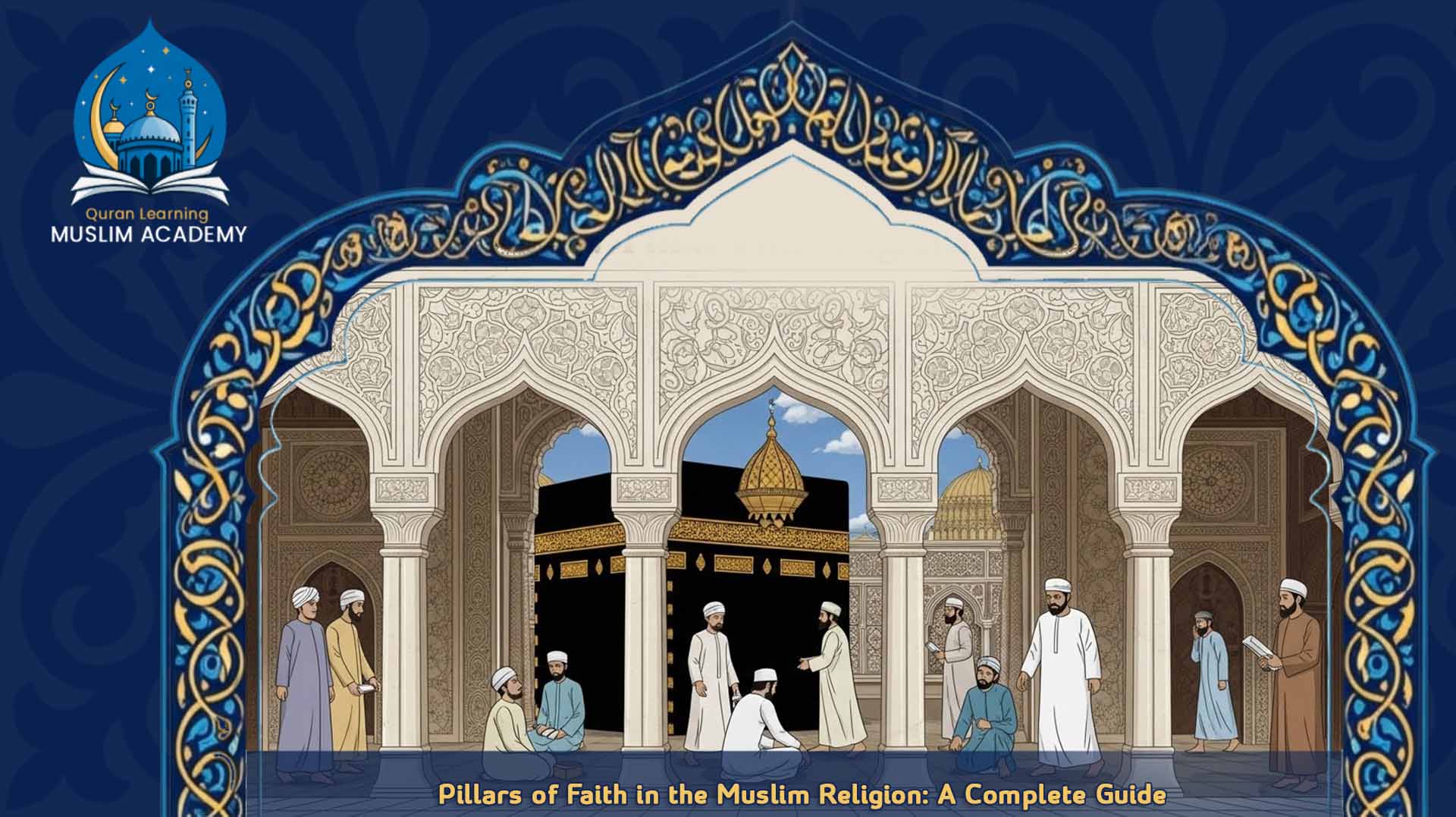
Muslim Academy presents this comprehensive guide to the 5 pillars of faith in the Muslim religion, offering a clear understanding of the core beliefs that shape a Muslim’s spiritual life. These pillars are the foundation of Islamic faith and provide guidance for ethical behavior, moral responsibility, and spiritual growth. They connect the believer’s heart, mind, and actions, creating a balanced and purposeful life.
Faith is not just a matter of words; it is a living conviction that shapes thoughts and actions. The 5 pillars of faith in the Muslim religion include belief in Allah, His angels, His revealed books, His messengers, the Day of Judgment, and divine destiny. Each pillar plays a vital role in guiding Muslims through daily life, encouraging reflection, devotion, and adherence to Islamic principles.
Teaching children the 5 pillars of faith from an early age is essential. Using stories, Quranic examples, and interactive activities helps instill understanding and spiritual awareness. Gradual learning fosters moral growth while encouraging personal reflection. Adults, too, benefit from regular practice and reflection, strengthening faith and building resilience against life’s challenges.
By understanding these principles, Muslims develop a stronger connection to Allah, enhance their moral character, and cultivate patience, trust, and spiritual balance. Muslim Academy emphasizes the importance of integrating these pillars into everyday life, ensuring that faith is both practical and transformative.
Online Quran Academy: Master the 5 Pillars of Faith in the Muslim Religion
Join Online Quran Academy today and deepen your understanding of the 5 pillars of faith in the muslim religion. Our expert instructors provide personalized guidance to help you strengthen your belief in Allah, His angels, holy books, messengers, the Day of Judgment, and divine destiny.
Experience flexible learning that fits your schedule, making the 5 pillars of faith in the muslim religion easy to comprehend and practice. Start your spiritual journey now and let the 5 pillars of faith in the muslim religion transform your daily life with knowledge, devotion, and confidence.

Blooming Faith: The Spiritual Essence
Faith in Islam is like a flower that gradually blooms in the heart, nurtured by trust, knowledge, and practice. The 5 pillars of faith in the Muslim religion serve as the roots and sunlight that allow this spiritual flower to grow. They guide the believer toward ethical choices, inner peace, and moral integrity.
Practicing these pillars strengthens trust in Allah and reinforces certainty in the heart. Just as a gardener tends a plant, regular prayer, charity, fasting, pilgrimage, and sincere belief ensure that the spiritual flower remains vibrant and resilient amidst challenges.
Key aspects of spiritual growth through the pillars:
-
Develops moral responsibility and accountability
-
Strengthens patience, humility, and inner peace
-
Connects daily actions with divine purpose
-
Encourages reflection on personal and spiritual development
Faith is a continuous journey. With consistent practice, the heart becomes a garden of trust and devotion, blossoming with love, resilience, and unwavering guidance. The 5 pillars of faith in the Muslim religion nourish the soul, allowing believers to live a meaningful and spiritually aware life.
Understanding the Six Pillars of Faith
The six pillars of faith form the essential foundation for all Muslims. A Muslim’s belief is considered complete only when they sincerely accept all six pillars: faith in Allah, angels, revealed books, messengers, the Day of Judgment, and divine destiny.
The Prophet Muhammad ﷺ said: “Faith is to believe in Allah, His angels, His books, His messengers, the Last Day, and the divine decree, both its good and its bad.” These principles are interconnected, each reinforcing the other, and together they guide the believer’s life and moral conduct.
Faith in Allah is the central pillar. Recognizing Allah as the Creator and accepting His supreme nature provides the basis for belief in angels, prophets, holy books, and divine decree. Faith strengthens spiritual resilience, guides behavior, and provides clarity in making ethical decisions.
By understanding and practicing the six pillars, believers cultivate inner peace, purpose, and connection to Allah. Muslim Academy encourages students to explore these pillars thoughtfully, nurturing a life aligned with divine guidance and moral integrity.
Faith in Allah
Faith in Allah forms the heart of the 5 pillars of faith in the Muslim religion. It involves acknowledging Him as the sole Creator and sustaining the recognition of His omnipotence, mercy, and guidance. Belief in Allah encourages sincere obedience and commitment to His commands.
Muslims understand that Allah’s knowledge and power extend beyond human perception. His attributes are unique, and He alone provides guidance, sustenance, and judgment. Belief in Allah supports the other pillars, creating a cohesive spiritual framework.
Benefits of strong faith in Allah:
-
Strengthens resilience in life’s challenges
-
Promotes moral and ethical behavior
-
Enhances spiritual growth and inner peace
-
Guides decision-making according to divine principles
Faith in Allah is foundational. It ensures that the believer’s actions, thoughts, and intentions are aligned with divine guidance, nurturing a balanced and spiritually aware life.
Faith in Angels
Faith in angels is essential for a complete Islamic belief system. Angels carry out Allah’s commands, communicate revelations to the prophets, and maintain balance between divine decree and human responsibility.
Belief in angels reminds Muslims of God’s guidance and the unseen world. Important angels include Jibreel (Gabriel), who delivered the Quran, Israfil, who will announce the Day of Judgment, and others overseeing life, death, and the hereafter.
Understanding angels reinforces faith in Allah, His messengers, and the Last Day. Acknowledging their existence encourages humility, accountability, and reflection on divine wisdom.
Muslims who embrace this pillar experience a deeper spiritual connection, developing a life guided by trust, obedience, and awareness of divine presence.
Faith in Divine Scriptures
Faith in Allah’s holy books ensures recognition of divine guidance throughout history. These scriptures include the Scrolls of Abraham, Psalms of David, Torah of Moses, Gospel of Jesus, and the Quran of Prophet Muhammad ﷺ.
Belief in these texts strengthens moral conduct, promotes ethical behavior, and fosters obedience to Allah. Accepting the sacred nature of these books ensures that Muslims align their lives with divine principles.
Key roles of faith in holy scriptures:
-
Provides guidance for daily living and decision-making
-
Connects believers with the teachings of prophets
-
Encourages reflection and spiritual growth
-
Reinforces trust in Allah’s wisdom and commands
Faith in these scriptures is vital for maintaining a spiritually enriched and balanced life.
Faith in Messengers
Faith in Allah’s messengers is the fourth pillar. These prophets were chosen to convey Allah’s guidance to humanity, teaching ethics, spirituality, and morality. Belief in the messengers is inseparable from faith in Allah and His scriptures.
Respecting all prophets, from Moses to Jesus and Prophet Muhammad ﷺ, reinforces spiritual awareness and moral responsibility. Their teachings guide behavior and decision-making.
Faith in messengers strengthens the other pillars, ensuring belief is active and practical. Following their example enhances personal integrity, compassion, and adherence to divine guidance. This pairs well with our Islamic education for kids at home.
Faith in the Day of Judgment and Divine Destiny
Belief in the Day of Judgment ensures accountability and motivates moral behavior. It teaches Muslims that all actions have consequences, reinforcing justice and ethical responsibility.
Faith in divine destiny (Qadr) recognizes Allah’s control over life while acknowledging human free will in daily choices. This balance nurtures patience, trust, and resilience.
Together, these pillars guide believers toward purposeful living, strengthening spiritual discipline and moral awareness. Practicing them cultivates a life grounded in faith and divine connection.
Building Moral Character Through the 5 Pillars of Faith in the Muslim Religion
The 5 pillars of faith in the muslim religion provide a structured framework for developing moral character in daily life. At Muslim Academy, we emphasize how each pillar nurtures virtues such as honesty, patience, and compassion. Faith in Allah instills a sense of accountability, while belief in angels reminds believers that their actions are observed by divine beings.
-
Practicing the 5 pillars of faith in the muslim religion ensures that ethical behavior becomes habitual, guiding Muslims to avoid wrongdoing and act justly.
-
Teaching children about these pillars at Muslim Academy helps them internalize values early, making moral lessons more relatable and actionable.
Belief in the holy books and messengers reinforces the importance of guidance and following God’s wisdom, promoting righteous decision-making. Faith in the Day of Judgment and divine destiny further strengthens resilience, as Muslims understand that every action has consequences. Integrating the 5 pillars of faith in the muslim religion into everyday routines develops a balanced personality, combining spiritual awareness with ethical responsibility.
Through consistent practice, Muslims achieve a harmonious alignment between belief and conduct. The 5 pillars of faith in the muslim religion act as a compass for navigating life’s challenges while nurturing a strong moral foundation. Muslim Academy encourages learners to reflect daily on these pillars, ensuring that spiritual growth is paired with ethical conduct, ultimately shaping individuals who embody the true essence of Islam.
Spiritual Growth Through Faith in Allah and Angels
At Muslim Academy, understanding the 5 pillars of faith in the muslim religion is essential for achieving spiritual growth. Faith in Allah forms the heart of these pillars, guiding Muslims toward devotion, mindfulness, and connection with God. Belief in angels further deepens spirituality by reminding believers of divine presence and guidance in unseen realms.
-
The 5 pillars of faith in the muslim religion encourage reflection, prayer, and ethical awareness, helping Muslims develop patience, humility, and empathy.
-
Faith in angels also inspires trust in God’s plans, enhancing the believer’s resilience and sense of purpose.
Muslim Academy teaches that practicing these pillars consistently fosters inner peace and strengthens the heart against worldly distractions. Belief in holy books, prophets, the Day of Judgment, and divine destiny complements this foundation, reinforcing faith in both spiritual and practical aspects of life. The 5 pillars of faith in the muslim religion are interconnected, each enhancing the other, and collectively guiding Muslims toward a balanced, spiritually enriched life.
Through guided lessons, interactive discussions, and practical examples, Muslim Academy helps learners integrate the 5 pillars of faith in the muslim religion into daily habits. This holistic approach ensures spiritual growth is continuous, deeply rooted, and transformative, making the pillars not just a belief system but a living practice that shapes character, decisions, and personal fulfillment.
The Role of Prayer and Worship in the 5 Pillars of Faith in the Muslim Religion
Prayer and worship form an essential aspect of the 5 pillars of faith in the muslim religion, connecting believers directly to Allah. At Muslim Academy, students learn that prayer nurtures spiritual discipline, concentration, and humility. Through regular worship, Muslims reinforce their faith, align actions with beliefs, and cultivate gratitude for divine blessings.
-
Practicing the 5 pillars of faith in the muslim religion through prayer strengthens the mind, heart, and soul, reminding believers of their purpose and responsibility.
-
Focusing on worship also helps Muslims integrate lessons from the holy books and teachings of the prophets into practical daily behavior.
Muslim Academy emphasizes that prayer is not a mere ritual but a transformative act that embodies the essence of the 5 pillars of faith in the muslim religion. It nurtures a believer’s relationship with Allah while inspiring mindfulness, patience, and self-control. By combining prayer with faith in angels, holy books, and divine destiny, Muslims cultivate resilience and spiritual clarity.
Integrating worship into daily life ensures the 5 pillars of faith in the muslim religion remain relevant and alive, guiding behavior and decision-making. Muslim Academy encourages learners to approach prayer as a source of guidance and reflection, making the practice a central part of spiritual growth and a key tool for strengthening faith in every aspect of life.
Teaching Children the 5 Pillars of Faith in the Muslim Religion
At Muslim Academy, teaching the 5 pillars of faith in the muslim religion to children is approached with care and creativity. Introducing young learners to the principles of faith early in life lays a foundation for lifelong spiritual growth. Storytelling, interactive activities, and Quranic examples make understanding the pillars engaging and meaningful for children.
-
Using the 5 pillars of faith in the muslim religion as a teaching tool develops both spiritual awareness and moral responsibility from a young age.
-
Children who grasp these pillars grow with patience, empathy, and a strong sense of accountability toward Allah and fellow humans.
Muslim Academy emphasizes that learning about the 5 pillars of faith in the muslim religion is not limited to theory; it involves integrating the principles into daily actions. From showing kindness to practicing honesty, children learn to embody faith in their routines. Belief in angels, prophets, and divine destiny reinforces these lessons, providing tangible connections to abstract concepts.
Through structured guidance, children at Muslim Academy experience the practical impact of the 5 pillars of faith in the muslim religion, enhancing their spiritual and moral development. Early education ensures that these pillars are not just learned but deeply internalized, shaping a confident, conscientious, and spiritually aware generation.
Living a Purposeful Life Guided by the 5 Pillars of Faith in the Muslim Religion
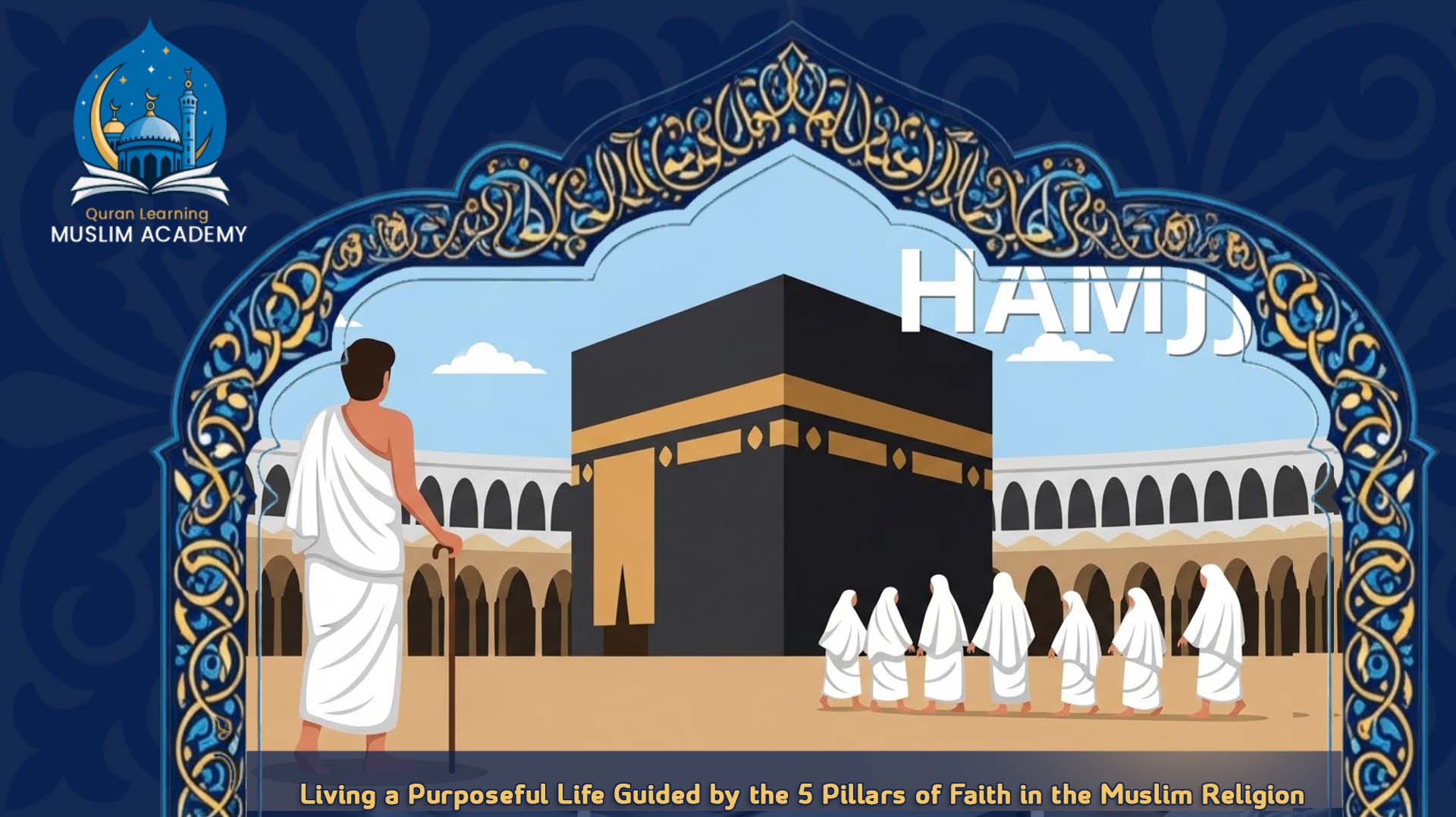
Muslim Academy teaches that the 5 pillars of faith in the muslim religion serve as a roadmap for a purposeful and meaningful life. Faith in Allah, angels, holy books, messengers, the Day of Judgment, and divine destiny provides guidance for decision-making, moral conduct, and spiritual reflection.
-
Practicing the 5 pillars of faith in the muslim religion encourages mindfulness, gratitude, and a sense of personal responsibility in all aspects of life.
-
Regular reflection on these pillars strengthens resilience, cultivates patience, and fosters trust in Allah’s wisdom and plan.
By integrating the 5 pillars of faith in the muslim religion into daily routines, Muslims align their actions with beliefs, creating harmony between the spiritual and practical dimensions of life. Muslim Academy emphasizes that the pillars are not just theoretical concepts but living principles that shape character, influence choices, and guide relationships.
Through education and practice, the 5 pillars of faith in the muslim religion inspire believers to lead lives of integrity, compassion, and devotion. Muslim Academy encourages learners to view the pillars as tools for personal growth, spiritual enrichment, and ethical living, ensuring that faith remains vibrant, transformative, and central to a meaningful life.
Frequently Asked Questions
Some readers ask many questions about the topic 5 pillars of faith in the muslim religion: vital 2026. Here are some of those frequently asked questions:
1. What are the pillars of faith in Islam?
The pillars are six: belief in Allah, angels, revealed books, messengers, the Day of Judgment, and divine destiny.
2. Why are they important?
They form the foundation of Islamic belief, guide moral behavior, and provide spiritual stability.
3. Must every Muslim believe in all six?
yes, all six pillars are essential for complete faith.
4. Difference between pillars of faith and pillars of Islam?
Pillars of faith relate to belief, while pillars of Islam involve practical acts like prayer and fasting.
5. How does belief in divine destiny affect life?
It fosters patience, trust, and acceptance of Allah’s will.
6. Is belief in angels necessary?
Yes, angels are integral to God’s guidance and the unseen order.
7. How can children learn the pillars?
Through simple explanations, stories, examples from daily life, and interactive learning activities.
In conclusion, 5 Pillars Of Faith In The Muslim Religion – Online Quran Academy Muslim Academy represents the core structure that defines a Muslim’s belief system and spiritual direction. These pillars guide Muslims toward a balanced life rooted in devotion, gratitude, and inner peace.
Through consistent practice, each pillar nurtures strong faith, ethical behavior, and a meaningful connection with Allah. At Online Quran Academy Muslim Academy, students receive structured learning that makes understanding these pillars simple, engaging, and transformative.
Exploring these foundations empowers every learner to embrace Islamic values with confidence while strengthening their commitment to righteous living and lifelong spiritual growth.
Learn also:
Arabic Lessons Near Me: Transformative Tips For Success 2026
How to learn quran at home with simple daily steps 2026 Explore our Tafsir classes online for more details.