What Is Islamic Fiqh? A Beginner’s Guide to Islamic Law
What is Islamic fiqh is one of the most frequently searched topics by Muslims, new converts, and anyone interested in understanding Islamic law. Many people want a clear explanation of how the teachings of the Qur’an and the Sunnah are applied in everyday life. Islamic fiqh provides practical guidance for worship, family matters, business transactions, ethics, and many other aspects of a Muslim’s life.
By learning fiqh, Muslims can worship Allah with confidence and make informed decisions based on authentic Islamic knowledge. At Muslim Online Quran Academy, students learn Islamic fiqh through structured online classes taught by qualified teachers who simplify complex topics while remaining faithful to the Qur’an and the Sunnah.
Whether you are a beginner or looking to strengthen your Islamic knowledge, this guide will help you understand the meaning, importance, sources, and practical applications of Islamic fiqh.
Understanding the Meaning and Definition
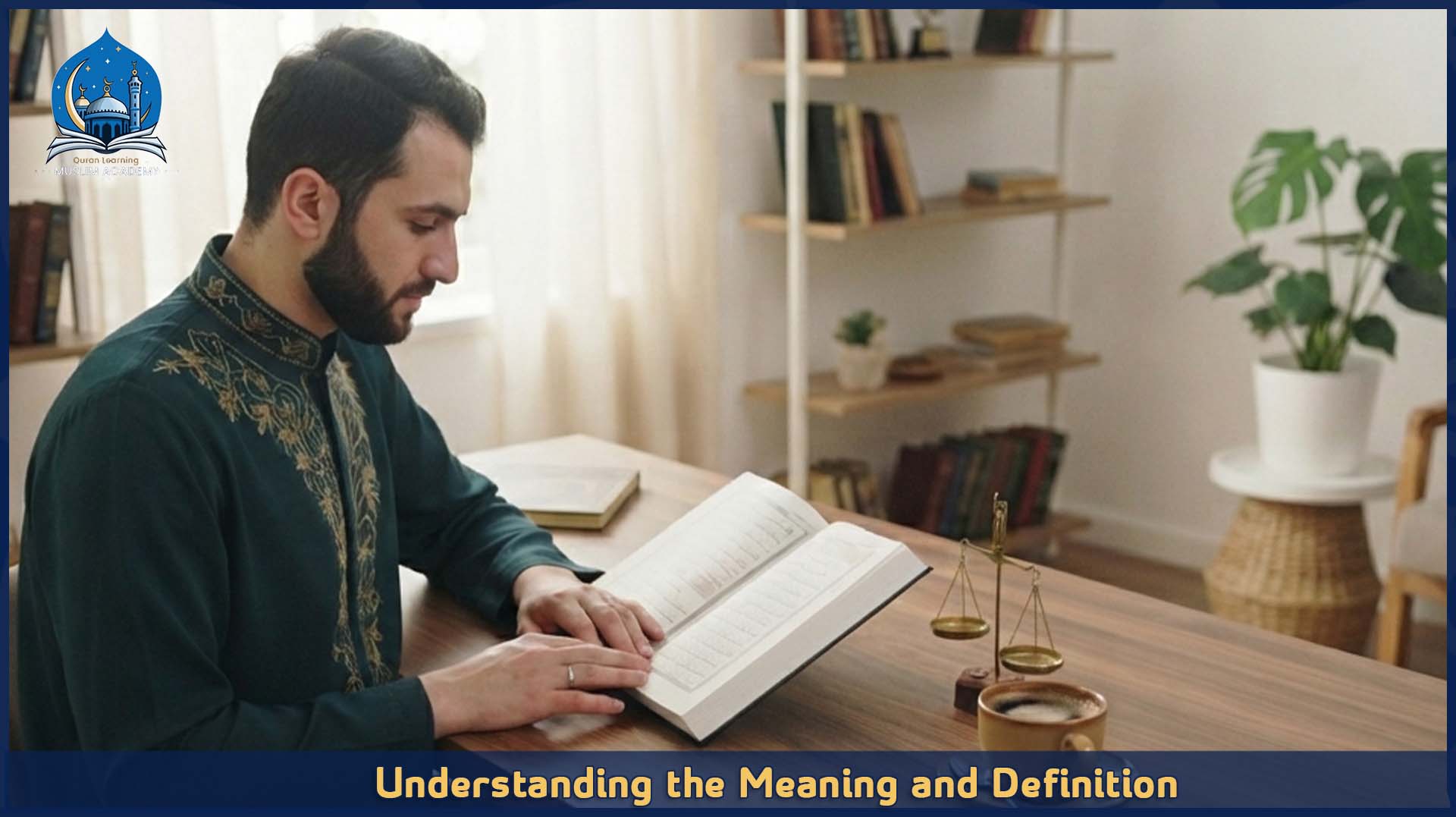
The question of what Islamic fiqh is can be answered from both linguistic and Islamic perspectives. Understanding these two meanings provides beginners with a clearer picture of the purpose and importance of this Islamic science.
Linguistically, the Arabic word fiqh refers to deep understanding, thorough comprehension, or profound knowledge. Therefore, when someone asks what Islamic fiqh is, the meaning goes beyond simply memorizing religious rules. It involves developing a deeper understanding of Islamic guidance and learning how that guidance applies to practical situations.
In Islamic terminology, fiqh refers to the science through which qualified scholars understand and derive practical Islamic rulings from detailed evidence found primarily in the Qur’an and authentic Sunnah. Consequently, understanding what Islamic fiqh means is understanding the scholarly process used to determine how Muslims should approach worship, family affairs, financial transactions, personal conduct, and social interactions.
Unlike personal opinions or cultural traditions, Islamic fiqh follows an organized scholarly methodology developed and preserved through generations of Islamic scholarship. This is another important point for anyone trying to understand what Islamic fiqh is, because Islamic jurisprudence cannot simply be reduced to someone’s personal interpretation of religion.
Qualified Islamic scholars traditionally spend many years studying Arabic, Qur’anic sciences, Hadith, principles of jurisprudence, and methods of interpreting religious evidence. Understanding this scholarly foundation makes the answer to what is islamic fiqh much clearer because fiqh represents disciplined interpretation rather than random opinion.
This careful process helps protect Islamic teachings from misunderstanding while allowing qualified scholars to provide guidance for both traditional and contemporary situations. Therefore, answering what Islamic fiqh is requires recognizing both its connection to revelation and the scholarly methodology used to understand that revelation.
Start Learning Quran Recitation With Tajweed Today
If you want to master Quran Recitation with Tajweed and improve your pronunciation with confidence, this is the perfect time to start. Muslim Academy offers structured online lessons that help you learn step by step with qualified teachers and clear guidance.
In addition, you will practice regularly, receive real corrections, and build strong Quran reading skills from the comfort of your home. Therefore, don’t wait and take action today to improve your recitation, strengthen your understanding, and connect deeply with the Holy Quran through professional and flexible learning.

Why Is Islamic Fiqh Important?
After understanding what is islamic fiqh, beginners commonly ask why learning fiqh is necessary when Muslims already have access to the Qur’an and Sunnah.
The answer becomes easier when we understand the relationship between Islamic revelation and its practical application.
The Qur’an establishes commands, principles, values, and guidance, while fiqh explains many practical details concerning how Muslims implement those teachings. Therefore, learning what Islamic fiqh is allows Muslims to move from knowing general Islamic commands to understanding how to practice them correctly.
For example, Allah commands Muslims to establish prayer. However, a beginner who has only recently started learning Islam may still have many practical questions. Fiqh explains matters such as:
- How to perform ablution correctly.
- What invalidates purification.
- The essential pillars of Salah.
- The obligatory actions of prayer.
- Recommended Sunnah practices.
- How Muslims should pray while traveling.
- What happens when someone forgets something during prayer.
- Situations involving missed prayers.
These examples demonstrate why anyone wondering what is islamic fiqh should recognize its practical importance. Islamic fiqh provides detailed guidance that helps Muslims transform religious knowledge into correct actions.
Similarly, the Qur’an commands Muslims to fast during Ramadan. Yet Muslims may encounter many circumstances that require additional explanation. Fiqh explains:
- Who is required to fast.
- Who may be temporarily or permanently excused.
- What invalidates fasting.
- What does not invalidate fasting.
- How travelers approach fasting.
- How sick people approach Ramadan.
- How missed fasting days may be handled.
- Other practical situations connected with fasting.
Therefore, understanding what is Islamic fiqh enables Muslims to understand not only that fasting is obligatory but also how its rules apply to different circumstances.
What Is Islamic Fiqh and How Does It Differ from Sharia?
Another important part of answering what is Islamic fiqh involves explaining its relationship with Sharia. One common misunderstanding among beginners is assuming that Sharia and fiqh always mean exactly the same thing.
Although the concepts are closely connected, an important distinction can be made between them.
Sharia refers broadly to the divine guidance and way established by Allah through revelation, including the Qur’an and the teachings of the Prophet Muhammad ﷺ.
Fiqh, meanwhile, concerns the human scholarly understanding and application of practical rulings derived from Islamic evidence.
Therefore, when someone searches for what is Islamic fiqh, understanding this distinction can prevent confusion between divine revelation itself and scholarly interpretations based upon that revelation.
In simple terms, Sharia originates from Allah’s guidance, whereas fiqh involves qualified scholars studying Islamic sources and determining how particular rulings apply to different circumstances.
This distinction also helps explain why scholars may sometimes reach different conclusions regarding secondary matters.
When studying what is Islamic fiqh, beginners eventually discover that differences of opinion can exist among qualified scholars. These differences do not necessarily mean that scholars disagree about the fundamental principles of Islam.
Instead, differences can result from matters such as interpretation of evidence, evaluation of Hadith reports, linguistic understanding, legal principles, or different circumstances surrounding a particular ruling.
Consequently, understanding what Islamic fiqh is also teaches Muslims to respect legitimate scholarly differences rather than treating every difference of opinion as a contradiction within Islam.
Simple Comparison Between Sharia and Fiqh
A simple comparison can make the relationship easier to understand.
Sharia
- Based upon divine revelation.
- Represents Allah’s guidance.
- Rooted in the Qur’an and Sunnah.
- Provides fundamental principles and commands.
- Forms the divine framework of Islamic life.
Fiqh
- Represents scholarly understanding of practical rulings.
- Derived through studying Islamic evidence.
- Developed through recognized scholarly methodology.
- May contain legitimate differences of opinion.
- Explains practical applications of Islamic guidance.
- Helps Muslims implement Islamic teachings in everyday situations.
This comparison provides another useful answer for beginners asking what is Islamic fiqh. Fiqh does not replace Sharia. Rather, Islamic fiqh helps Muslims understand how divine guidance can be implemented practically in their lives.
What Is Islamic Fiqh in Everyday Life?
Anyone asking what Islamic fiqh is should understand that fiqh is not limited to books, Islamic universities, mosques, or scholarly discussions. In reality, Muslims encounter questions related to fiqh almost every day. Consider some common questions:
- Is this business transaction permissible?
- How should I perform prayer while traveling?
- What should I do if I forget something during Salah?
- How should Zakat be calculated?
- What are the Islamic responsibilities toward parents?
- What are the conditions of a valid marriage?
- What happens if I break my fast unintentionally?
- How should I perform purification before prayer?
- What financial transactions should Muslims avoid?
Every one of these questions demonstrates what Islamic fiqh is in practical life. Fiqh provides a framework through which Muslims can understand religious responsibilities and approach everyday decisions with greater knowledge and confidence.
For example, someone who understands what is islamic fiqh may recognize that Islamic teachings extend beyond prayer and fasting. Islam also provides principles related to earning money, spending wealth, conducting business honestly, maintaining family relationships, fulfilling contracts, and treating other people fairly.
Modern students who want to understand what is islamic fiqh may also benefit from structured learning with qualified teachers. Programs such as those offered through Muslim Online Quran Academy can help learners study everyday Islamic rulings gradually instead of attempting to understand complicated jurisprudential subjects without guidance.
Areas Covered by Islamic Fiqh
Another effective way to explain what is islamic fiqh is to examine the wide range of subjects covered by Islamic jurisprudence.
Islamic fiqh extends far beyond acts of worship and can address many areas of Muslim life.Major areas include:
- Purification.
- Prayer.
- Fasting.
- Zakat.
- Hajj and Umrah.
- Marriage.
- Divorce.
- Family responsibilities.
- Rights of spouses.
- Rights of children.
- Responsibilities toward parents.
- Business ethics.
- Buying and selling.
- Financial transactions.
- Contracts.
- Inheritance.
- Community responsibilities.
- Personal conduct.
- Social relationships.
- Justice and fairness.
This broad scope provides an important perspective for people researching what is Islamic fiqh, because it demonstrates that Islamic jurisprudence is designed to address practical human life rather than rituals alone.
For example, fiqh related to worship explains purification, Salah, fasting, Zakat, and Hajj. Family fiqh addresses matters related to marriage, divorce, parental responsibilities, and family rights. Financial fiqh discusses trade, contracts, transactions, debts, and other financial matters.
Therefore, someone studying what is Islamic fiqh gradually discovers that the subject connects many areas of life within one comprehensive framework of Islamic guidance.
Who Should Learn Islamic Fiqh?
Some people mistakenly believe Islamic fiqh should only be studied by imams, scholars, or advanced students. However, understanding what Islamic fiqh is shows why every Muslim can benefit from learning at least the basic rulings necessary for their daily life.
Children can learn basic Islamic rulings from an early age. They can understand purification, prayer, Islamic manners, honesty, respect for parents, and other fundamental teachings. Introducing what is islamic fiqh at an appropriate level can help children develop correct habits as they grow.
Teenagers can also benefit from learning Islamic fiqh because they begin encountering greater personal, social, and religious responsibilities. Understanding Islamic guidance can strengthen their confidence and help them make responsible choices.
Adults who learn what Islamic fiqh is can improve their worship while developing a clearer understanding of family responsibilities, finances, relationships, and everyday religious decisions.
New Muslims especially benefit from studying fiqh gradually. Attempting to learn every Islamic ruling immediately can feel overwhelming. Instead, beginners can start with purification, prayer, fasting, and essential everyday practices before moving toward more advanced subjects.
Parents who understand what Islamic fiqh is can also provide their children with a stronger Islamic foundation. Rather than relying only on cultural customs, they can distinguish between religious teachings and traditions that may differ from one society to another.
For beginners, studying with qualified teachers can ensure that Islamic knowledge develops gradually, correctly, and systematically. This is one reason learners may choose structured courses through Muslim Online Quran Academy, where lessons can be adapted to different ages and knowledge levels.
The Historical Development of Islamic Jurisprudence

To gain a deeper appreciation of what is Islamic fiqh, it is important to understand how this remarkable science developed throughout Islamic history. Islamic fiqh did not appear centuries after Islam began. Instead, its foundation was established from the very beginning of the revelation.
During the lifetime of Prophet Muhammad ﷺ, Muslims received direct answers whenever questions arose. If someone was unsure about a matter of worship, family life, trade, or social conduct, the Prophet ﷺ explained the ruling through his words, actions, or approval. His explanations became part of the Sunnah, which remains the second primary source of Islamic legislation.
After the Prophet ﷺ passed away, the Companions faced new situations as Islam spread across different regions. They relied on the Qur’an and the Sunnah while using their deep understanding to resolve issues that had not previously occurred.
As Muslim communities expanded into Persia, Egypt, North Africa, and beyond, new economic systems, cultures, and social customs appeared. Scholars needed a systematic method for deriving rulings while remaining faithful to the teachings of Islam.
Over time, the science of fiqh became increasingly organized. Scholars documented legal principles, compared evidence, examined authentic narrations, and developed methodologies that would preserve Islamic law for future generations.
This careful scholarly effort ensured that Muslims in every era could find guidance without changing the core teachings of Islam.
Today, students continue benefiting from this rich scholarly tradition through institutions such as Muslim Online Quran Academy, where qualified teachers simplify classical knowledge for modern learners without compromising authenticity.
What Is Islamic Fiqh? The Four Main Sources of Islamic Law
Anyone seeking to understand what Islamic fiqh is must also understand where Islamic rulings come from. Students who study at an Islamic Online Quran Academy often begin with this topic because it forms the foundation of Islamic jurisprudence before moving on to advanced subjects.
Islamic jurisprudence is never based on personal opinions or cultural preferences. Every authentic ruling must be supported by reliable Islamic evidence. For more than fourteen centuries, scholars have relied on four primary sources when deriving legal rulings.
1. The Noble Qur’an
The Qur’an is the first and most important source of Islamic law. It is the direct word of Allah and guides every believer. Within its verses, Muslims find commandments regarding:
- Prayer.
- Fasting.
- Zakat.
- Hajj.
- Marriage.
- Divorce.
- Family responsibilities.
- Justice.
- Charity.
- Honest trade.
- Financial ethics.
- Social responsibility.
Some rulings are stated explicitly, while others establish broad principles that scholars later apply to new circumstances.
Every ruling in fiqh must agree with the Qur’an because no human opinion can contradict divine revelation. Students enrolled in tafsir classes online often gain a deeper appreciation of how Qur’anic verses form the basis of Islamic legal rulings.
2. The Sunnah of the Prophet Muhammad ﷺ
The Sunnah is the second source of Islamic legislation. It consists of the sayings, actions, approvals, and practical example of the Prophet Muhammad ﷺ. Without the Sunnah, Muslims would know that prayer is obligatory but would not know exactly how to perform it.
The Sunnah explains:
- Prayer times.
- Number of daily prayers.
- Method of ablution.
- Rules of fasting.
- Zakat calculation.
- Hajj rituals.
- Business ethics.
- Family conduct.
The Qur’an and Sunnah complement one another perfectly. Together, they form the foundation upon which Islamic jurisprudence is built. Many students who enroll in a seerah course online also study the Sunnah in detail because understanding the life of the Prophet ﷺ helps explain how these rulings were implemented in practice.
3. Ijma’ (Scholarly Consensus)
Sometimes new issues arise that are not discussed directly in the Qur’an or Sunnah. When qualified scholars unanimously agree upon a ruling after examining all available evidence, this agreement is called Ijma’.
Scholarly consensus protects unity within the Muslim Ummah and preserves authentic understanding across generations. Examples include the compilation of the Qur’an into one Mushaf and many principles accepted throughout Islamic scholarship.
4. Qiyas (Analogical Reasoning)
The fourth source is Qiyas. This method allows scholars to compare new situations with existing rulings that share the same legal reason.
For example, the Qur’an prohibits alcohol because it intoxicates the mind. Modern narcotics produce the same effect. Through analogy, scholars conclude that these substances carry the same ruling.
This methodology allows fiqh to address contemporary issues while remaining firmly connected to divine revelation.
As technology and society continue changing, Qiyas enables scholars to guide for matters that never existed during earlier generations.
What Is Islamic Fiqh? Understanding the Objectives of Islamic Law
Many beginners assume that fiqh is simply a collection of rules. However, learning what Islamic fiqh is reveals something much greater.
Every authentic Islamic ruling serves higher objectives that protect both individuals and society. These objectives are known as Maqasid al-Sharia. Rather than creating hardship, Islamic law seeks to establish justice, mercy, wisdom, and public benefit. Scholars explain that nearly every ruling in Islam contributes to one or more of the following objectives.
Preserving Faith
The greatest objective of Islamic law is protecting faith. Fiqh teaches Muslims how to worship Allah correctly through prayer, fasting, zakat, Hajj, remembrance, and sincere obedience. It also protects Islamic beliefs from distortion by connecting every ruling to authentic evidence.
Protecting Human Life
Islam places immense value on human life. For this reason, Islamic law prohibits murder, oppression, abuse, and injustice. At the same time, it encourages medical treatment, cleanliness, healthy living, compassion, and protecting others from harm. These principles demonstrate that preserving life is among the highest priorities in Islam.
Protecting the Mind
Islam encourages knowledge, education, and reflection. Therefore, fiqh prohibits anything that destroys human intellect. This includes intoxicants, harmful drugs, and substances that impair judgment. Instead, Muslims are encouraged to pursue beneficial knowledge throughout their lives.
Protecting Family
Family forms the foundation of every healthy society. Islamic jurisprudence therefore provides detailed guidance regarding:
- Marriage.
- Divorce.
- Children’s rights.
- Parents’ rights.
- Financial maintenance.
- Guardianship.
- Inheritance.
Protecting Wealth
- Fraud.
- Theft.
- Bribery.
- Interest-based exploitation.
- Dishonest contracts.
- Financial deception.
Instead, Muslims are encouraged to earn lawful income, fulfill agreements, help those in need, and manage wealth responsibly. These objectives demonstrate that Islamic law is not designed merely to establish rules. Rather, every ruling seeks to bring benefit while preventing harm.
Why Studying Islamic Fiqh Strengthens Everyday Worship?
Many Muslims spend years performing acts of worship without fully understanding the wisdom behind them. Studying fiqh transforms worship from routine actions into acts performed with knowledge and certainty. A student who studies fiqh understands:
- Why purification is essential.
- Why prayer has specific pillars.
- Why fasting develops self-control.
- Why zakat purifies wealth.
- Why Hajj represents complete submission to Allah.
Knowledge increases sincerity because worship is no longer based on imitation alone. Instead, every action becomes supported by understanding. Learning quran recitation with tajweed alongside fiqh also helps Muslims perform their worship with greater accuracy, confidence, and reverence.
For this reason, many families choose structured Islamic studies through Muslim Online Quran Academy, where qualified instructors explain both the rulings and the wisdom behind them using authentic Islamic sources. Many learners also prefer studying with an egyptian quran tutor, whose expertise in Qur’an recitation and classical Arabic helps students understand Islamic texts more accurately.
Common Benefits of Learning Islamic Fiqh
Learning fiqh provides benefits that continue throughout a Muslim’s lifetime. Among the greatest benefits are:
- Performing worship correctly.
- Avoiding common mistakes.
- Building confidence in religious practice.
- Understanding Islamic ethics.
- Making informed financial decisions.
- Strengthening family relationships.
- Appreciating the wisdom behind Islamic rulings.
- Developing respect for qualified scholarship.
- Distinguishing authentic teachings from cultural practices.
- Growing closer to Allah through knowledge.
The more Muslims understand fiqh, the easier it becomes to live according to Islamic guidance in every area of life while benefiting from authentic Islamic education through qualified scholars and structured learning programs.
The Main Branches of Islamic Jurisprudence

To fully understand what Islamic fiqh is, it is important to know that Islamic jurisprudence is divided into several major branches. Anyone researching what Islamic fiqh is will discover that each branch focuses on a specific area of life while remaining firmly connected to the two primary sources of Islam: the Qur’an and the Sunnah.
This organized structure makes it easier for scholars to study Islamic rulings systematically and helps students who want to learn what Islamic fiqh is progress gradually through different areas of Islamic knowledge.
Although these branches address different subjects, they all serve the same purpose: helping Muslims understand what Islamic fiqh is in practice and live according to Allah’s guidance in every aspect of life.
Acts of Worship (Ibadat)
One of the first subjects students encounter when learning what Islamic fiqh is in practice is Ibadat, the branch that focuses on worship. Its purpose is to teach Muslims how to worship Allah correctly according to authentic Islamic teachings. Topics covered include:
- Taharah (Purification)
- Wudu and Ghusl
- Daily prayers
- Friday prayer
- Eid prayer
- Voluntary prayers
- Ramadan fasting
- Zakat
- Hajj
- Umrah
- Supplication
- Vows and expiations
Studying these rulings helps Muslims worship with confidence rather than uncertainty. For many beginners asking what is Islamic fiqh, acts of worship are the ideal starting point because they are practiced every day.
Family Law (Ahwal Shakhsiyyah)
Another important answer to what is Islamic fiqh can be found in Islamic family law. Islam places tremendous importance on the family because healthy families create strong communities. Therefore, Islamic fiqh provides detailed rulings concerning:
- Marriage contracts
- Choosing a spouse
- Rights of husbands and wives
- Financial support
- Child custody
- Divorce
- Waiting periods (Iddah)
- Guardianship
- Inheritance
- Family reconciliation
These rulings establish justice, mercy, and mutual respect within the family. Anyone studying what is Islamic fiqh soon realizes that Islam views marriage not merely as a social contract but as a sacred responsibility built upon compassion, trust, and accountability.
Financial Transactions (Mu’amalat)
Understanding what is Islamic fiqh also means learning how Islam regulates financial dealings. Islam encourages lawful earnings, honest trade, and ethical business practices. Accordingly, fiqh explains how Muslims should conduct financial affairs fairly and responsibly. Subjects include:
- Buying and selling
- Leasing
- Partnerships
- Investment
- Debt
- Loans
- Business contracts
- Employment agreements
- Trade ethics
- Consumer rights
These rulings protect both buyers and sellers while promoting trust within society. One of the unique characteristics of Islamic finance, and an important aspect of what is Islamic fiqh, is its emphasis on transparency, justice, fairness, and avoiding exploitation.
Criminal Justice
Another branch that demonstrates what is Islamic fiqh is Islamic criminal justice.
Contrary to many misconceptions, Islamic jurisprudence approaches criminal justice through strict legal procedures and qualified judicial authorities rather than arbitrary punishment. Topics include:
- Criminal responsibility
- Evidence
- Witness testimony
- Judicial procedures
- Protection of individual rights
- Public safety
- Fair trials
Anyone learning what is Islamic fiqh should understand that Islamic justice prioritizes protecting innocent people and ensuring fairness. Historically, Islamic courts required exceptionally strong evidence before implementing legal penalties.
Ethics and Social Conduct
When people ask what is islamic fiqh, they often focus only on legal rulings. However, fiqh also teaches Muslims how to develop outstanding character and ethical behavior. Topics include:
- Honesty
- Mercy
- Respect
- Kindness
- Patience
- Trustworthiness
- Good manners
- Charity
- Helping neighbors
- Respecting parents
- Caring for the poor
- Protecting the environment
These teachings demonstrate that what is Islamic fiqh extends beyond courts and legal judgments. It also encourages Muslims to become people of excellent character who contribute positively to society.
What Is Islamic Fiqh? The Four Major Sunni Schools
As students continue studying what is Islamic fiqh, they eventually encounter the four major Sunni schools of jurisprudence. Although each school developed its own legal methodology, they all rely upon the Qur’an and authentic Sunnah. Understanding these schools is an essential part of learning what is Islamic fiqh because they illustrate the rich scholarly tradition of Islamic jurisprudence.
The Hanafi School
The Hanafi school was founded by Imam Abu Hanifah (رحمه الله).
It became one of the largest schools in the Muslim world because of its systematic legal reasoning and careful analysis of evidence. Today, the Hanafi school is widely followed in:
- Turkey
- Pakistan
- India
- Bangladesh
- Afghanistan
- Central Asia
- Parts of the Middle East
Its methodology combines authentic textual evidence with careful legal reasoning when addressing new issues, making it an important part of understanding what is islamic fiqh.
The Maliki School
The Maliki school was founded by Imam Malik ibn Anas. Its most distinctive characteristic is the importance it gives to the practice of the people of Madinah, who preserved many traditions from Prophet Muhammad ﷺ and his Companions. Today, it is commonly followed in:
- Morocco
- Algeria
- Tunisia
- Libya
- Mauritania
- Large parts of West Africa
For anyone researching what is islamic fiqh, the Maliki school demonstrates how early Islamic practice influenced legal scholarship.
The Shafi’i School
The Shafi’i school was established by Imam Al-Shafi’i. He is widely recognized for organizing the principles of Usul al-Fiqh into a systematic science that continues to influence Islamic legal studies. The Shafi’i school remains widespread in:
- Indonesia
- Malaysia
- Yemen
- Southern Egypt
- East Africa
- Singapore
- Brunei
Studying its methodology gives students a deeper appreciation of what is islamic fiqh and the scholarly methods used to derive rulings.
The Hanbali School
The Hanbali school was founded by Imam Ahmad ibn Hanbal. It places particularly strong emphasis on authentic textual evidence before relying upon secondary methods of legal reasoning. Today, it is primarily followed in:
- Saudi Arabia
- Qatar
- Parts of the Gulf region
Although the four Sunni schools sometimes differ regarding secondary legal matters, understanding what is islamic fiqh reveals that they remain united on the essential beliefs and foundations of Islam.
Why Do Scholars Sometimes Reach Different Opinions?
As people continue learning what is Islamic fiqh, one common question arises: Why do qualified scholars sometimes reach different conclusions? The answer lies in the careful process of scholarly interpretation. Every jurist follows recognized legal principles while examining Islamic evidence. However, scholars may legitimately differ for several reasons, including:
- Different interpretations of Qur’anic verses.
- Differences regarding the authenticity of certain Hadith.
- Different methods of reconciling multiple narrations.
- Various approaches to analogical reasoning (Qiyas).
- Consideration of local customs that do not contradict Islam.
- Different legal methodologies among the schools of fiqh.
Understanding these reasons helps explain what is islamic fiqh more accurately. Scholarly differences generally concern secondary issues and never affect the pillars of Islam, the articles of faith, or universally accepted obligations. Therefore, anyone studying what is Islamic fiqh should appreciate these scholarly efforts rather than viewing legitimate differences as contradictions.
Who Has the Authority to Interpret Islamic Fiqh?
Another essential part of understanding what is Islamic fiqh is recognizing who is qualified to derive Islamic rulings. Not everyone who reads Islamic books possesses the qualifications required to issue legal opinions. Islamic jurisprudence requires years of advanced study before a scholar becomes capable of giving a fatwa responsibly. A qualified jurist usually studies:
- Qur’anic sciences
- Hadith sciences
- Arabic grammar
- Arabic rhetoric
- Usul al-Fiqh
- Comparative jurisprudence
- Maqasid al-Sharia
- Principles of interpretation
- Legal methodology
Mastering these disciplines allows scholars to derive rulings responsibly while protecting Muslims from misunderstanding Islamic teachings.
Today, many students begin learning what is Islamic fiqh through Muslim Online Quran Academy, where qualified instructors teach foundational fiqh gradually before introducing more advanced legal topics.
A structured learning approach enables students not only to understand Islamic rulings but also to appreciate the reasoning behind them. This approach strengthens confidence, encourages respect for authentic scholarship, and provides a practical understanding of what is islamic fiqh based on evidence and sound methodology.
By this stage, readers should recognize that what is Islamic fiqh involves far more than memorizing legal opinions. It is a comprehensive science developed by generations of dedicated scholars to preserve the teachings of the Qur’an and the Sunnah with wisdom, balance, and accuracy. Studying what is islamic fiqh through its branches, schools of thought, and scholarly methodologies provides every Muslim with a deeper appreciation of the richness, flexibility, and practical guidance of Islamic jurisprudence.
Why Learn Islamic Fiqh with Muslim Online Quran Academy?

Choosing the right place to study Islamic knowledge can make a significant difference in your learning journey. While books, videos, and articles provide valuable information, learning under qualified teachers offers a deeper understanding and helps students avoid common misunderstandings.
Muslim Online Quran Academy offers structured Islamic studies designed for children, adults, beginners, and advanced learners. Every lesson is based on the Qur’an and the authentic Sunnah while presenting Islamic concepts in clear, practical language. Students benefit from:
- Qualified and experienced Islamic teachers.
- One-on-one online classes.
- Flexible schedules for families and professionals.
- Interactive learning sessions.
- Step-by-step Islamic curriculum.
- Personalized guidance according to each student’s level.
- A supportive learning environment that encourages questions and discussion.
Another advantage of studying at Muslim Online Quran Academy is the gradual teaching approach. Students first master the foundations before progressing to more advanced subjects, allowing them to build confidence and retain knowledge more effectively.
Whether your goal is to strengthen your daily worship, understand Islamic rulings, or continue your Islamic education, Muslim Online Quran Academy provides an authentic and organized learning experience that supports long-term growth.
Frequently Asked Questions
Below are answers to some of the most common questions about what is islamic fiqh to help beginners better understand Islamic jurisprudence and its role in everyday Muslim life.
1. Do I need to know Arabic before studying Islamic fiqh?
No. Many beginners start learning fiqh before becoming fluent in Arabic. However, learning Arabic later helps students understand Islamic texts more deeply and appreciate the original meanings of the Qur’an and Hadith.
2. How long does it take to learn the basics of Islamic fiqh?
The fundamentals can usually be learned within a few months through consistent study. Mastering fiqh, however, is a lifelong journey because scholars continue learning and reviewing Islamic knowledge throughout their lives.
3. Can Muslims follow any of the four Sunni schools?
Yes. The four recognized Sunni schools are all based on authentic Islamic scholarship. Each follows the Qur’an and the Sunnah using established legal methodologies, and Muslims should respect these scholarly traditions.
4. Is Islamic fiqh relevant for Muslims living in non-Muslim countries?
Absolutely. Islamic fiqh guides worship, business, family life, ethics, and social responsibilities regardless of where a Muslim lives. Qualified scholars also address contemporary issues faced by Muslim minorities while remaining faithful to Islamic principles.
5. What should I study after learning the basics of fiqh?
After completing introductory fiqh, students often continue with Aqeedah, Tafsir, Hadith, Seerah, Tajweed, Arabic language, and Usul al-Fiqh. Studying these sciences together creates a comprehensive understanding of Islam.
In conclusion, understanding what Islamic fiqh is an important step toward practicing Islam with knowledge, confidence, and sincerity. Islamic fiqh is far more than a collection of legal rulings; it is the practical framework that helps Muslims apply the teachings of the Qur’an and the Sunnah in every aspect of life, from worship and family relationships to business, ethics, and social responsibilities.
Throughout history, qualified scholars have preserved this noble science through careful study, authentic evidence, and well-established legal principles. Their efforts have ensured that Muslims across different times and cultures can understand and practice Islam correctly while remaining faithful to divine guidance.
Whether you are a beginner, a new Muslim, or someone seeking to deepen your Islamic knowledge, learning fiqh will strengthen your worship, improve your daily decisions, and help you appreciate the wisdom behind Islamic rulings. If you are wondering what Islamic fiqh is, the best way to gain a complete understanding is by studying with knowledgeable teachers who can explain both the rulings and the evidence behind them.
At Muslim Online Quran Academy, students receive structured Islamic education from qualified instructors in a supportive online environment. With personalized lessons, flexible schedules, and an authentic curriculum based on the Qur’an and the Sunnah, Muslim Online Quran Academy helps learners of all ages build a strong foundation in Islamic knowledge and confidently apply its teachings in their everyday lives.