
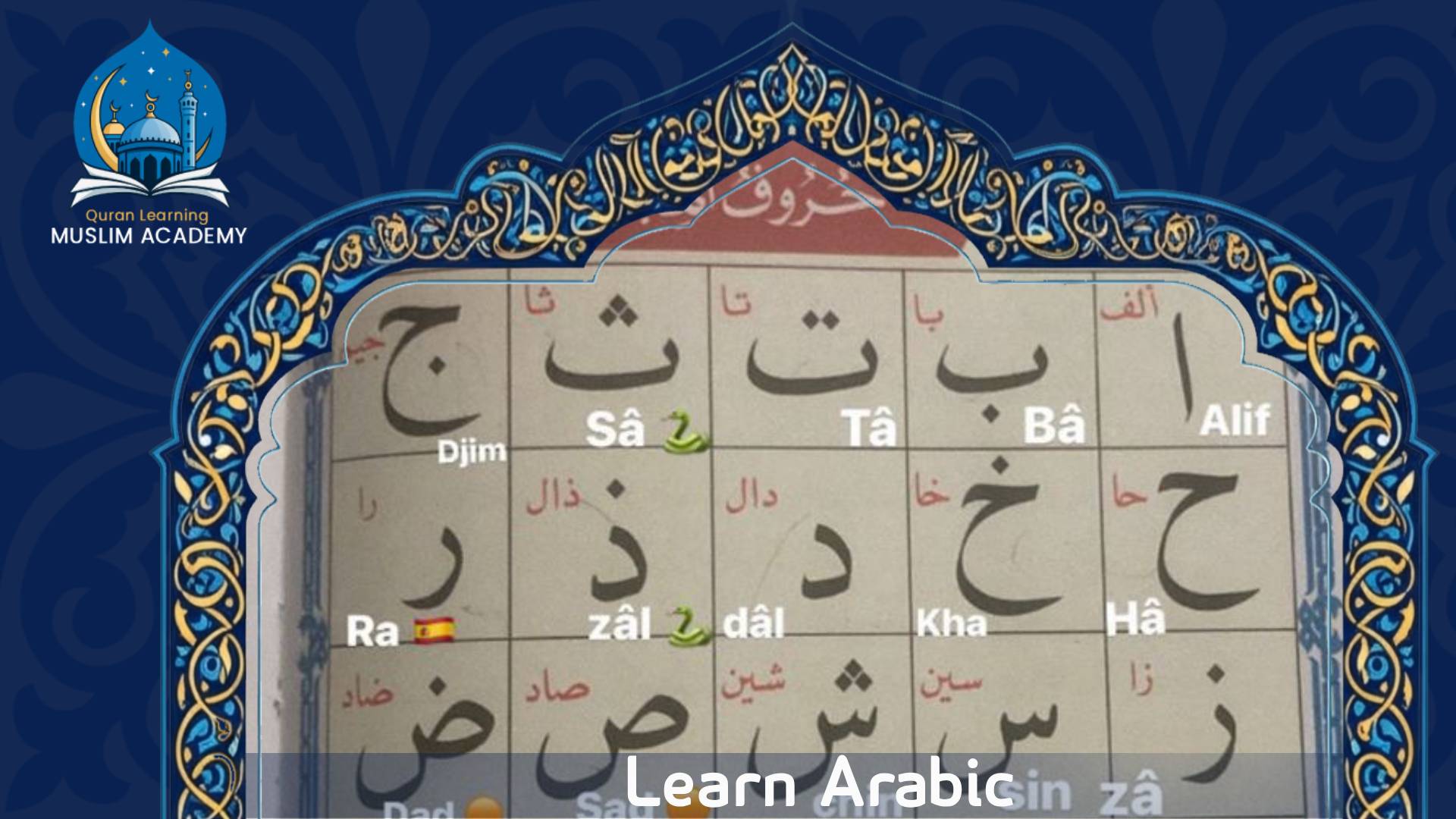
Learn Arabic: Choose Your Goal and First Study Steps
To learn Arabic, start with a specific goal rather than a promise to become fluent quickly. You might want to read short vowelled words, understand familiar Quranic vocabulary or hold a simple conversation. Your first materials and practice tasks should support that goal.
This roadmap helps you decide what to work on next. If you are ready to compare teaching arrangements, see our guide to Arabic classes for beginners.
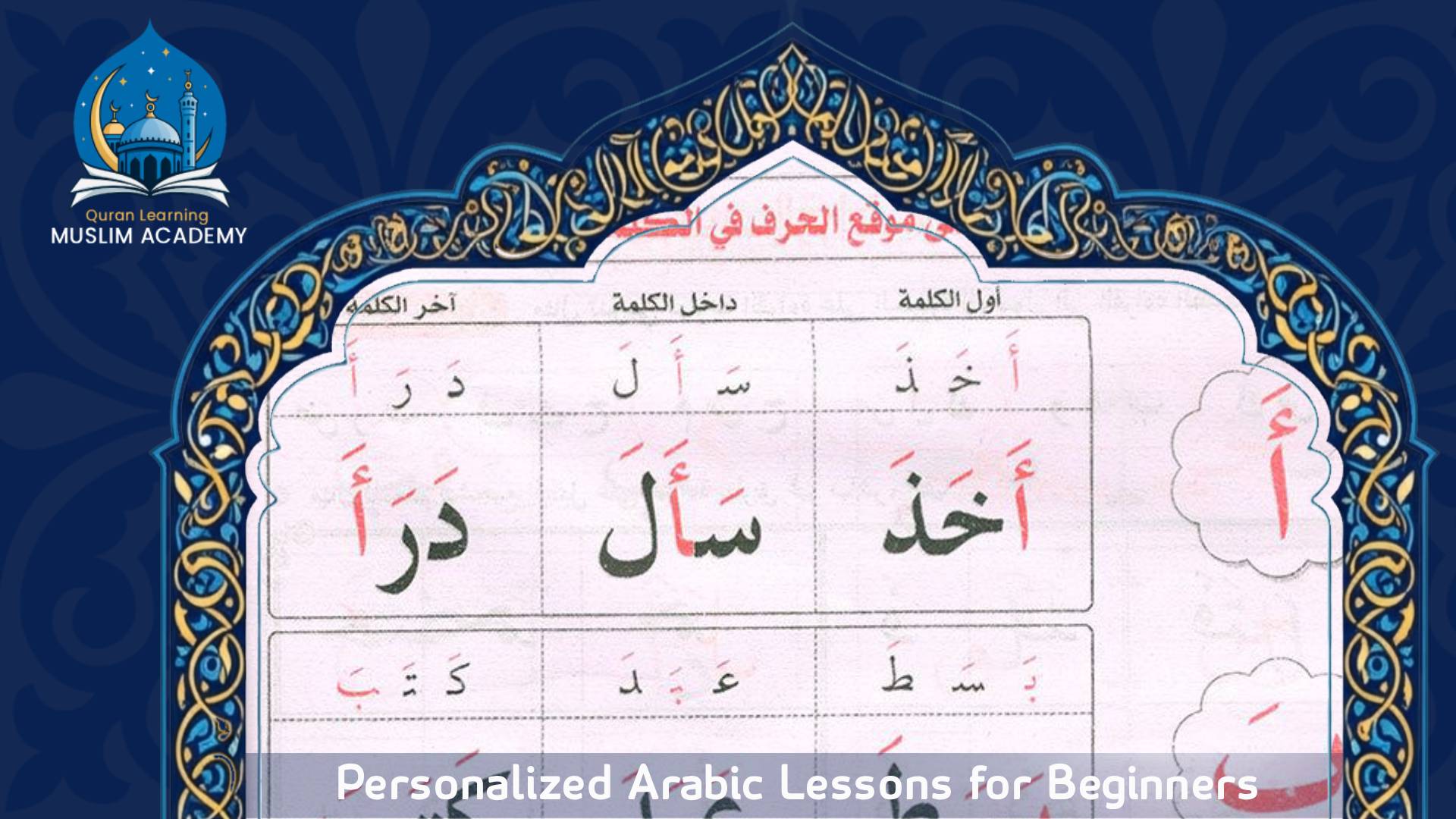
A beginner roadmap based on skills, not deadlines
- Choose an outcome: describe one thing you want to do in Arabic, such as reading a short passage or introducing yourself. Specify the type of Arabic when conversation is the goal.
- Check your starting point: separate letter recognition, reading aloud, understanding and speaking. Familiarity with one does not automatically establish the others.
- Choose a small set of materials: use one main learning sequence and suitable audio or teacher examples. Avoid switching resources whenever a task becomes difficult.
- Practise a model, then change it: after following an example, try a new word or a small variation. This helps reveal whether you understood the task.
- Review with evidence: keep a dated reading sample, short written answer or teacher note. Decide what needs revision before adding more material.
These stages do not have fixed completion dates. A learner who already reads the script may begin with vocabulary and comprehension; someone new to it may need more supported reading practice.
For the script itself, use our Arabic alphabet guide. Once a lesson sequence is in place, our home-practice routine can help you organise review. Discuss course placement through the Arabic course page.
Turn your reason for learning into a first task
Choose an action you want to perform rather than a broad aspiration. “Answer a simple question about myself” gives a conversation course a clearer starting point than “be fluent.” “Explain the meaning of a short studied passage” is more specific than “understand all Arabic.”
Tell the teacher where you want to use the language and show any material you already study. If you have several goals, choose one immediate priority and keep the others for a later review. This helps avoid a plan that tries to teach every skill at once.
Check your starting skills separately
Write down what you can read, understand, say and write without help. Note whether you are using familiar material or attempting something new. Being comfortable reciting a memorised passage, for example, does not answer every question about independent reading or comprehension.
Ask the teacher to confirm the picture with short tasks. If you are new to the script, start there with appropriate spoken practice. If you already read, identify whether vocabulary, sentence understanding or another skill should take priority.

Choose one main learning sequence
Use a coherent course or teacher-guided sequence as the core of your study. Additional videos and apps can support a specific task, but constantly changing resources makes it harder to see what you have covered and what still needs feedback.
Before adding a resource, ask what it is for: hearing a model, reviewing vocabulary, practising reading or getting correction. If it does not serve a current need, save it for later. The online lesson comparison helps distinguish delivery formats and feedback arrangements.
Move forward using evidence of readiness
| Current focus | A useful readiness check | Possible next step |
|---|---|---|
| Recognising script | Identify studied letters in unfamiliar examples | Combine them in short supported reading tasks |
| Reading short examples | Read and explain an appropriate new example with less help | Work with a slightly longer or less supported text |
| Practising a spoken exchange | Respond with a new detail rather than copying the whole model | Try a related question or situation |
| Writing with a model | Use a corrected pattern independently | Write a short new response for feedback |
These are planning examples, not a universal curriculum. Ask your teacher which check fits your goal. If a task is still difficult, change the support or explanation before adding more complexity.
Plan feedback before increasing the workload
Decide how pronunciation, comprehension and writing will be checked. Independent practice can revisit a taught example, but uncertainty needs a route back to a reliable explanation. Keep questions and corrected models organised so you know which is which.
At the end of a lesson, confirm one practice task and how it will be reviewed. Our beginner-class guide explains what to look for in an initial syllabus and teacher feedback.
Review and adjust without restarting everything
Keep a dated sample of a task you care about. At an agreed review, try a comparable example and discuss what requires less help. Look at the routine too: whether you attended, understood the homework and had time to attempt it.
If progress is unclear, identify the specific obstacle. A timetable problem calls for a different routine; repeated uncertainty about a sound calls for feedback; a mismatch between the course and your goal calls for a revised plan. Changing everything at once can hide which adjustment was needed.
Frequently asked questions
Should I learn speaking or reading first?
Set the balance around your goal and starting point. They can be taught together, but you should know which skill each activity is developing.
Can I start without buying several resources?
Yes. Confirm the main materials with your teacher or course before purchasing extras. Start with what the first tasks require.
How long will learning Arabic take?
There is no single completion time for every goal. Ask for small reviewable targets based on your experience and available practice rather than a guaranteed fluency date.
What if I have tried before and stopped?
Identify what interrupted the earlier attempt and reassess the skills you retain. Build a manageable plan around that evidence instead of assuming you must repeat everything.